
A Jaunt to Provence: From the Country to the Coast Savoring the essence of the South of France
the south of france
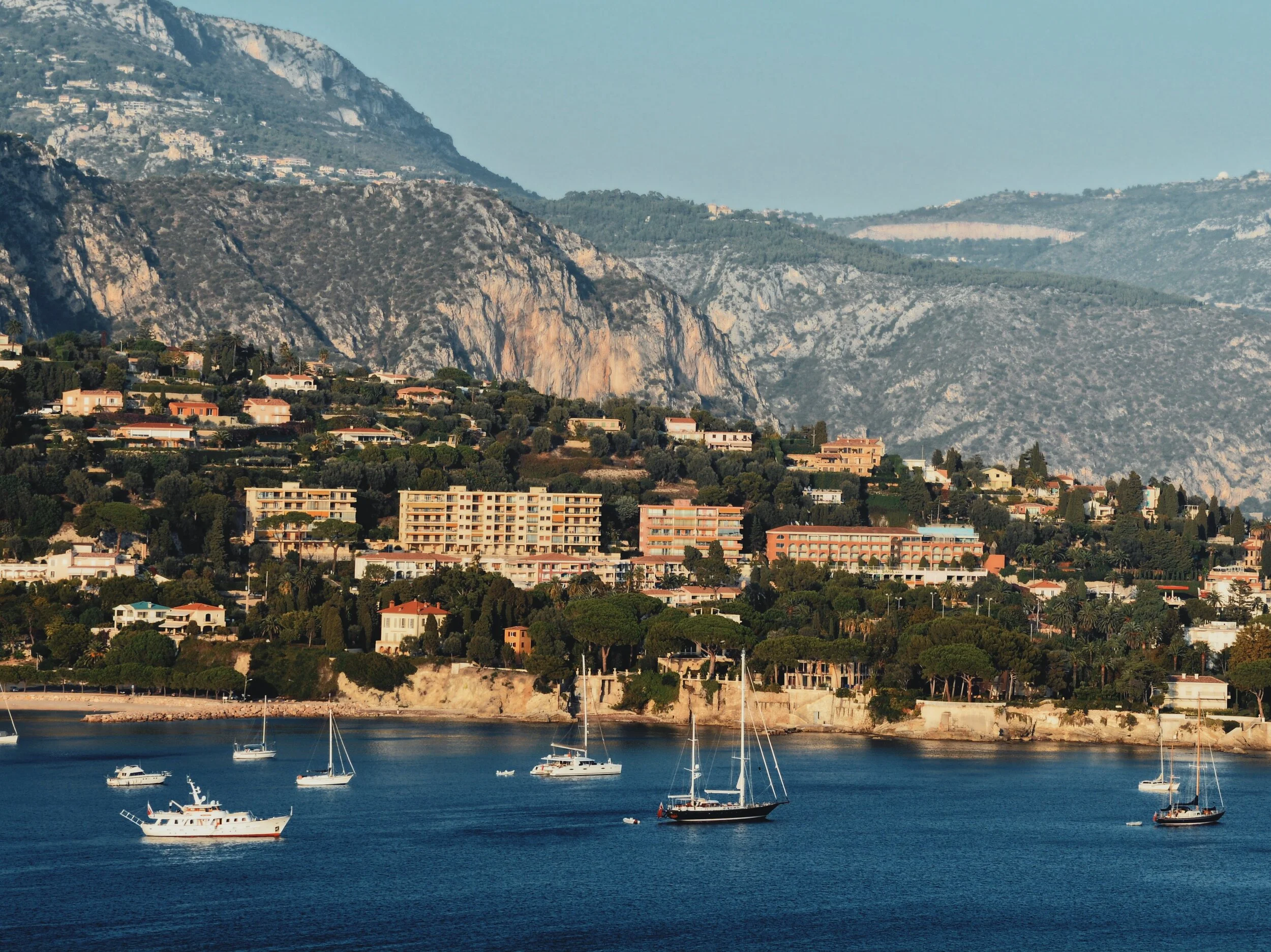
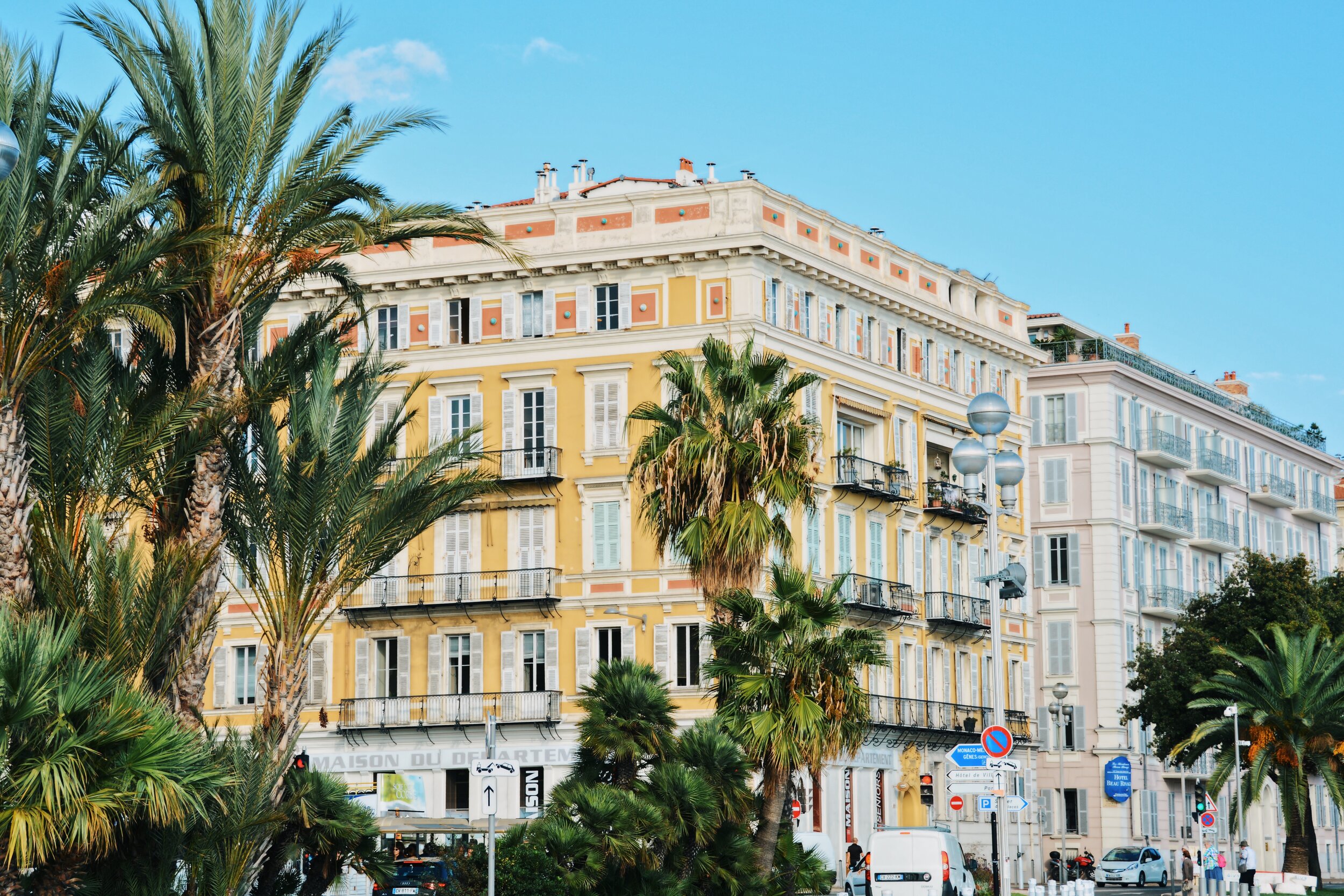
From Paris, we move south to Provence, a region awash in sunshine and beauty. From the lavender fields of the Vaucluse to the turquoise waters of the French Riviera, Provence encompasses the country, the coastline, and the in between—Alpine mountains and centuries-old vineyards. Provence’s natural beauty is enhanced by a cultural allure that makes it intriguing in the way that places become when human beings tell stories about them. And for a long time, people have been telling stories, through their life and work and play, about this place. Long a spiritual retreat for artists and a playground for the jet set, a bohemian refuge and at the same time, a cultured escape. Of course it follows that Provence ignites the imagination.
For the purposes of our virtual tour of France, we have compiled an ambitious Provençal itinerary—one that takes us from the countryside to the coast. If this were a real trip, doing it well would take time. Doing it hypothetically offers us precisely that, so we are taking full advantage, packing our itinerary to the brim, and taking the Southern French jaunt of our fantasies.
Our trip begins in Arles and ends in Èze, a little village outside of Nice, roughly 30 minutes by car from the Italian border. A 3-hour train ride on the high-speed TGV train from Gare de Lyon in central Paris deposits us in Nîmes. There, we rent a car and head south.
Part 1: The Country


arles
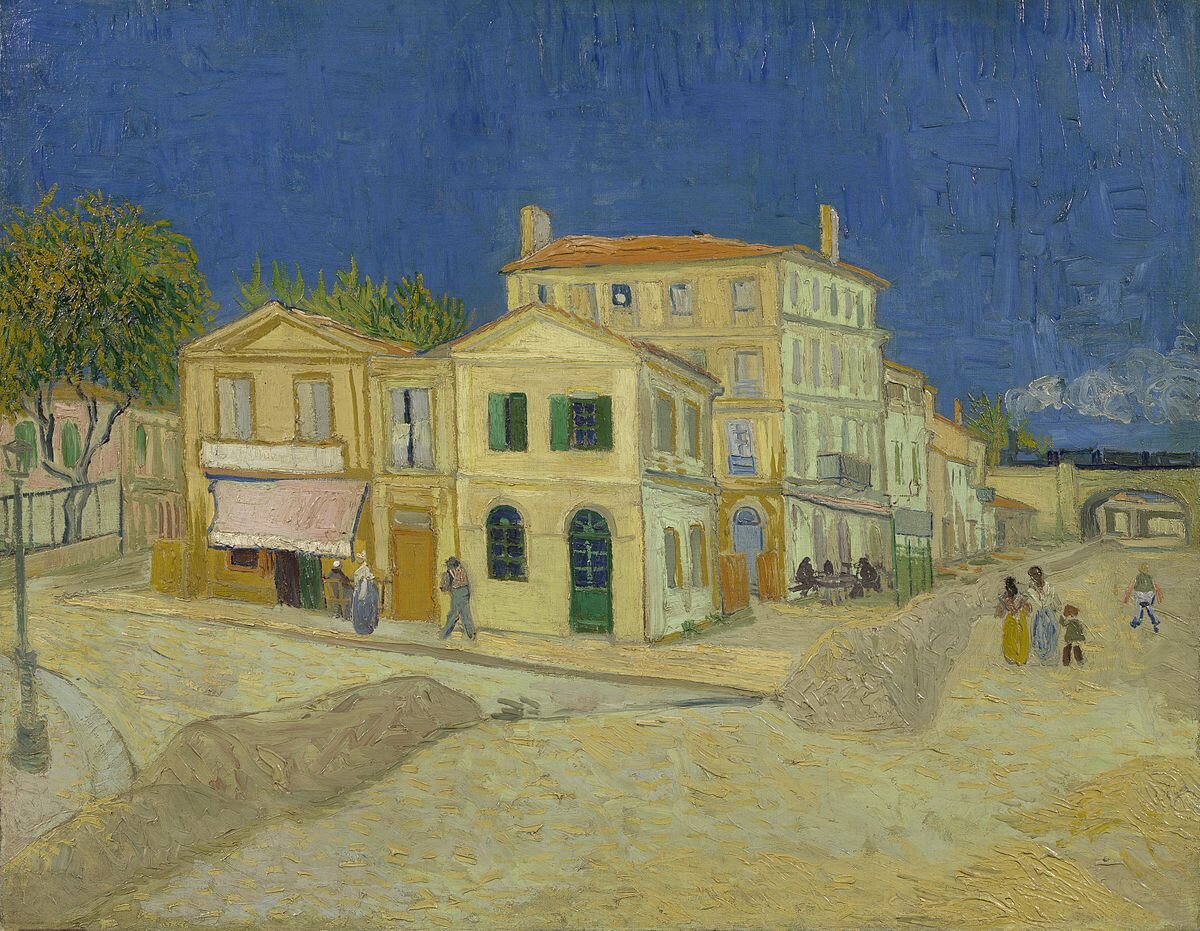
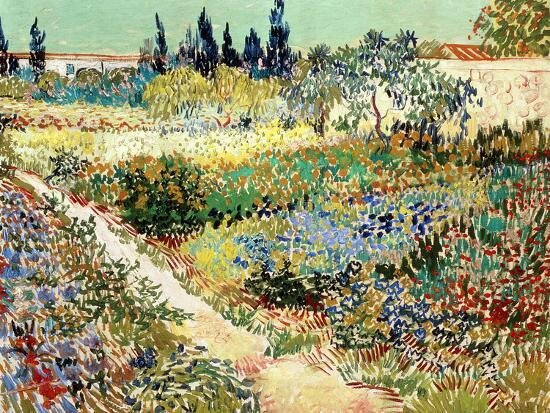
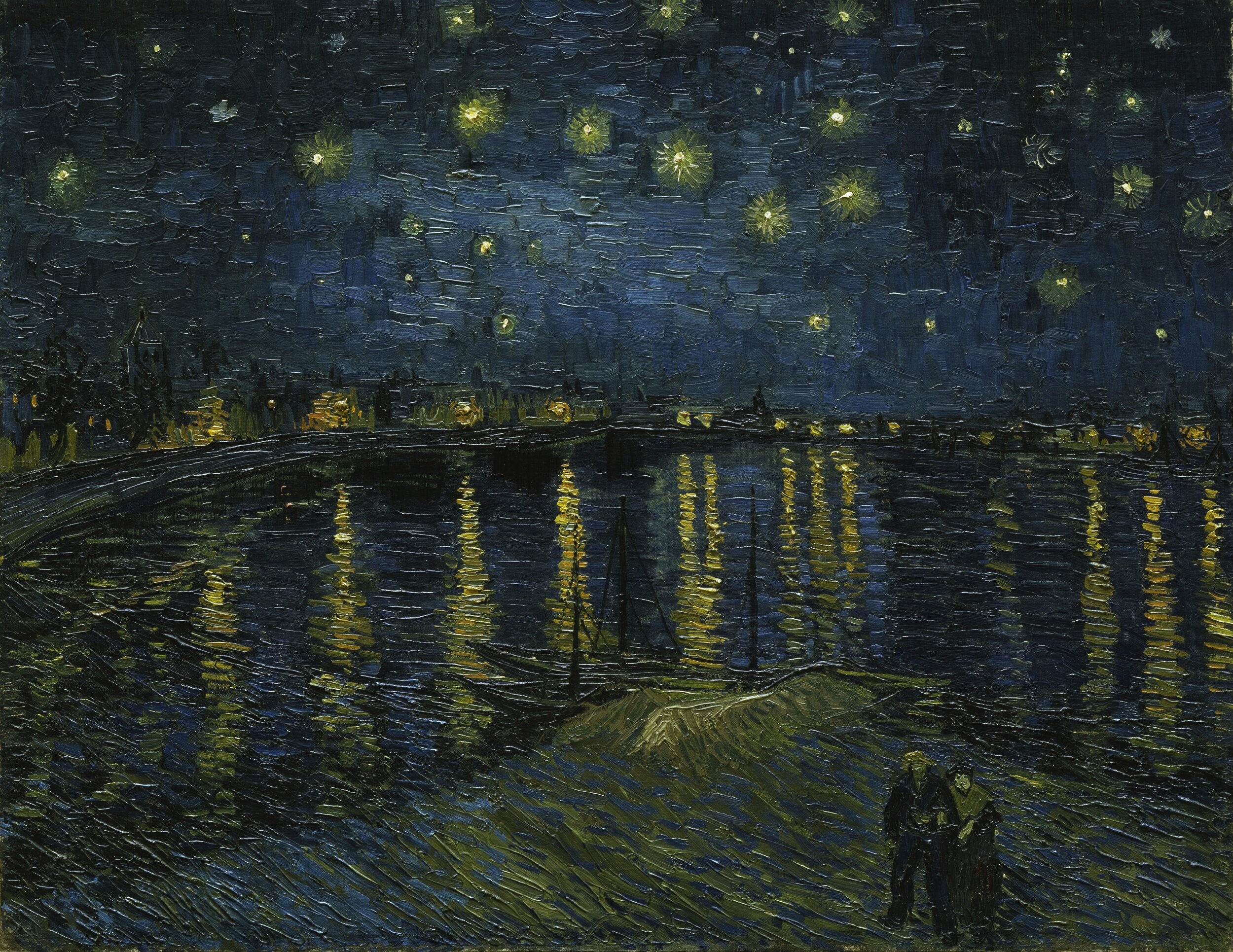
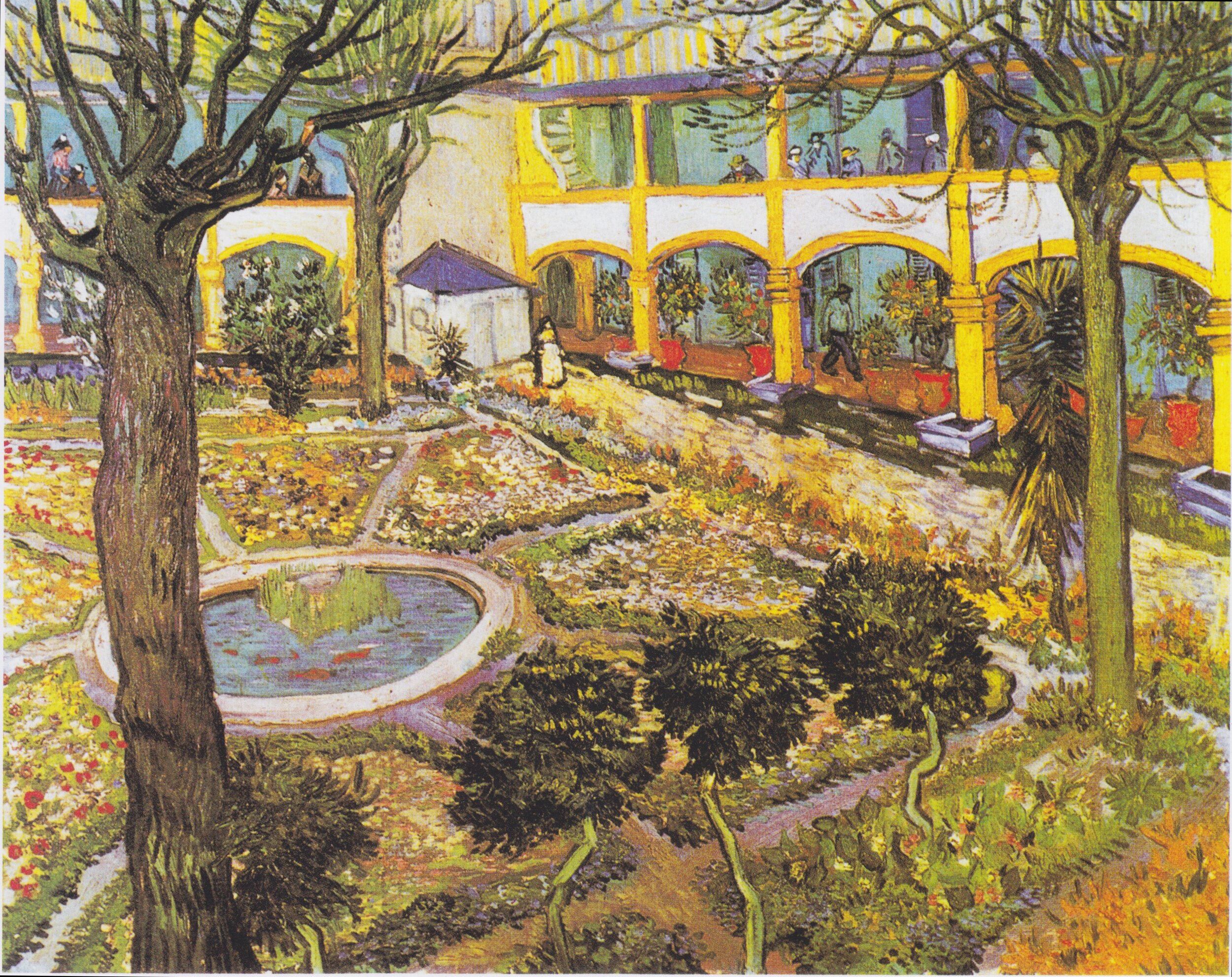
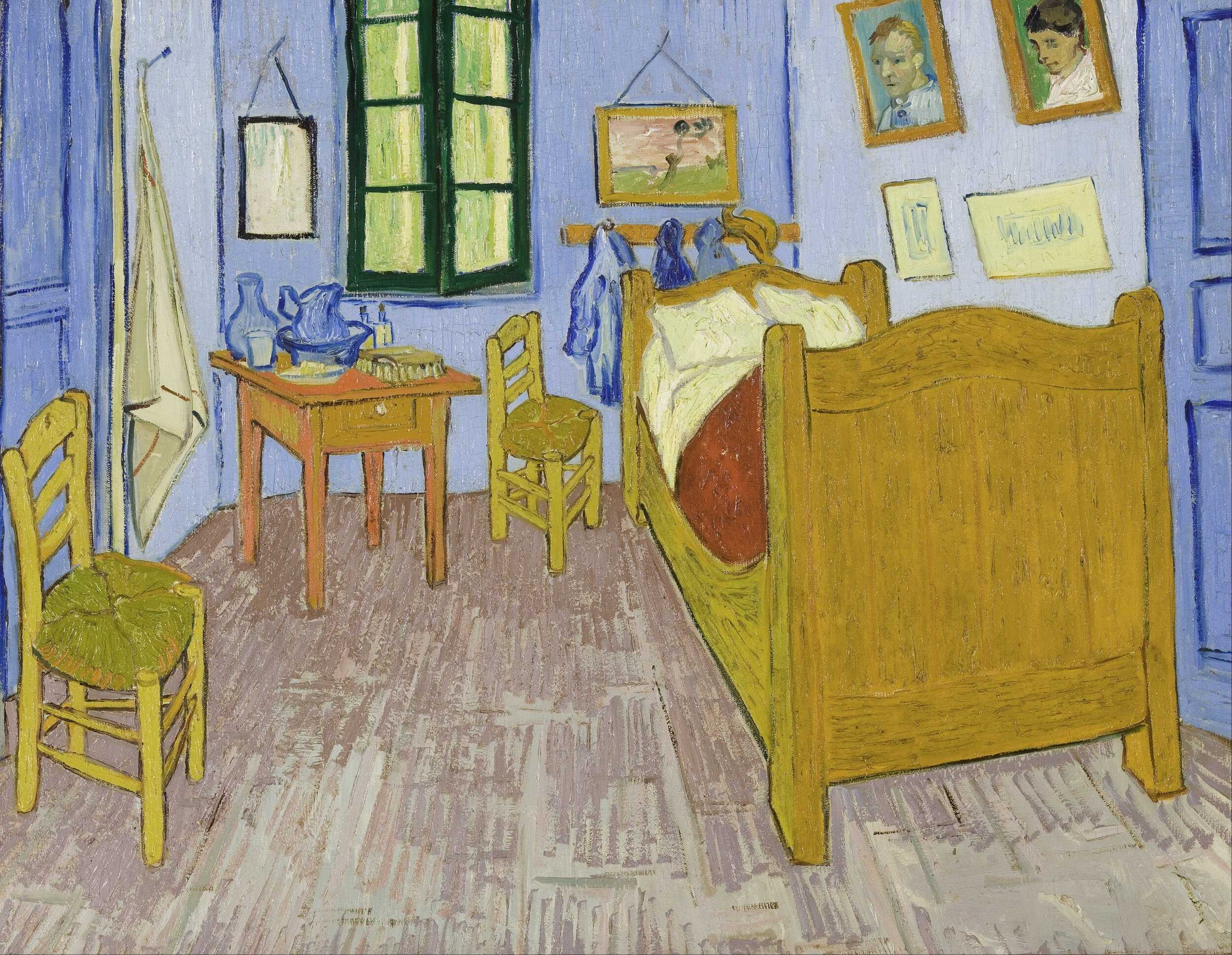
“Tired of the busy city life and the cold northern climate, Van Gogh had headed South in search of warmer weather, and above all to find the bright light and colours of Provence so as to further modernize his new way of painting. According to his brother Theo, he went ‘first to Arles to get his bearings and then probably on to Marseille.’ That plan changed however: Van Gogh found in the beautiful countryside of Arles what he had been looking for, and never went to Marseille.”
— Fondation Vincent Van Gogh Arles
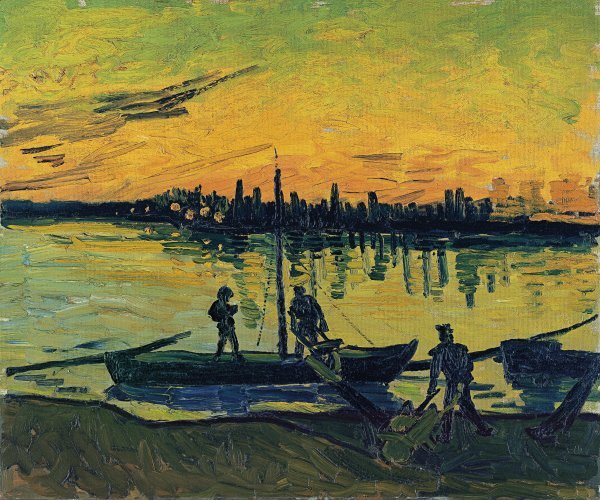
In 1888, Vincent Van Gogh left the cold bustle of Paris for the warm embrace of Arles. Arles forever altered his perspective and his art, and our time here will be spent walking in his footsteps to learn more about the spirit of the town that made a lasting impact on modern art.
To slip into the world of Van Gogh, we’ll take this self-guided walking tour which takes half a day and stops along the sites eternalized in his work.
With a firmer grasp of Arles’ artistic past, we’ll move into its present with a visit to the Fondation Vincent van Gogh Arles, whose mission is to continue tracing and celebrating the artist’s wide impact on modern art.
Arles is not art alone. There are Roman ruins, a relic of the city’s history on the trade route of the Roman empire. In addition to a Roman amphitheater, a theater, baths, and a forum, Arles has a 12th century Romanesque cathedral—the Cloître Saint-Trophime.
After a day of art and architecture, we’ll have a drink at Hôtel Nord-Pinus, a Hemingway haunt where Picasso felt at home. Jean Cocteau described it as a hotel with a soul.
In Arles:
Fondation Vincent van Gogh Arles | 35 Rue du Dr Fanton, 13200 Arles
Cloître Saint-Trophime |20 Rue du Cloître, 13200 Arles
Grand Hôtel Nord-Pinus | 14 Place du Forum, 13200 Arles
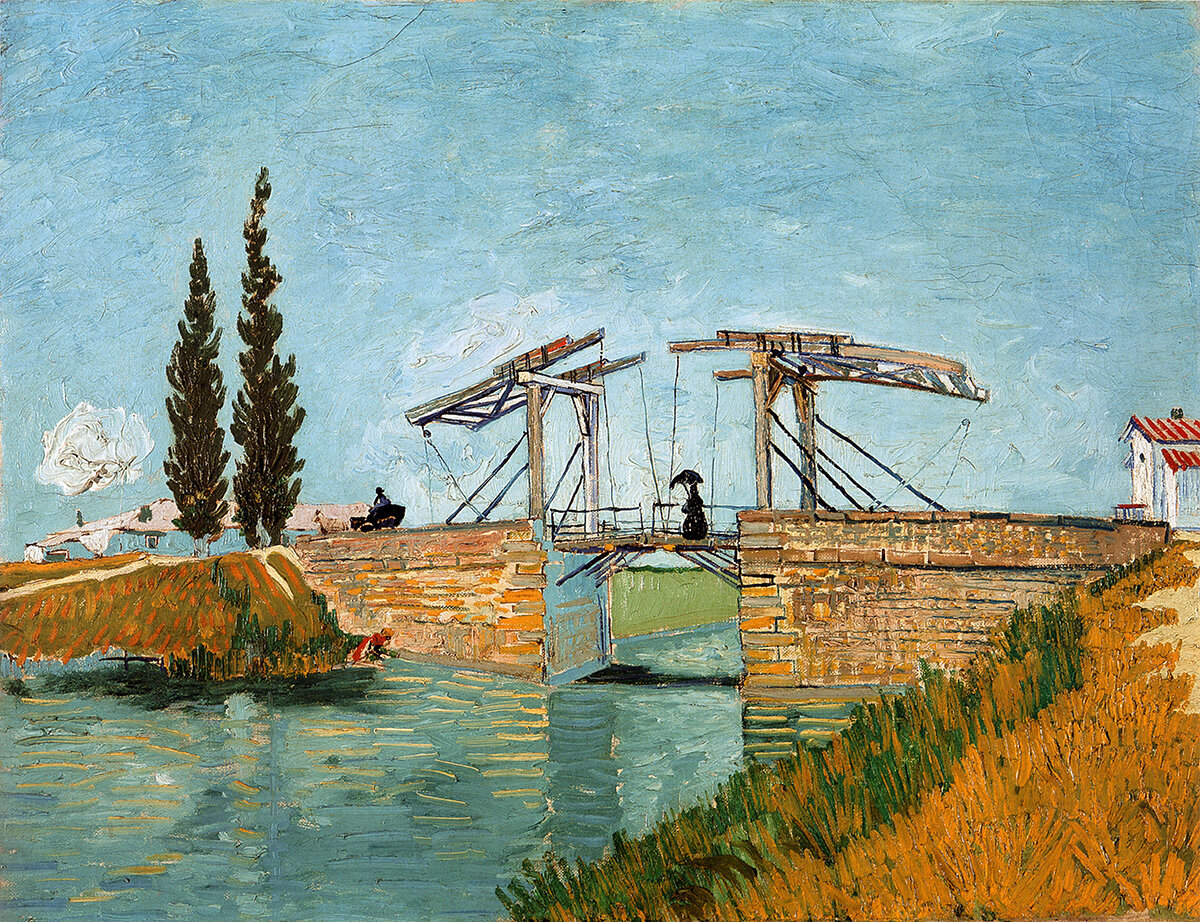

Arles | Les Maisons d’Arles
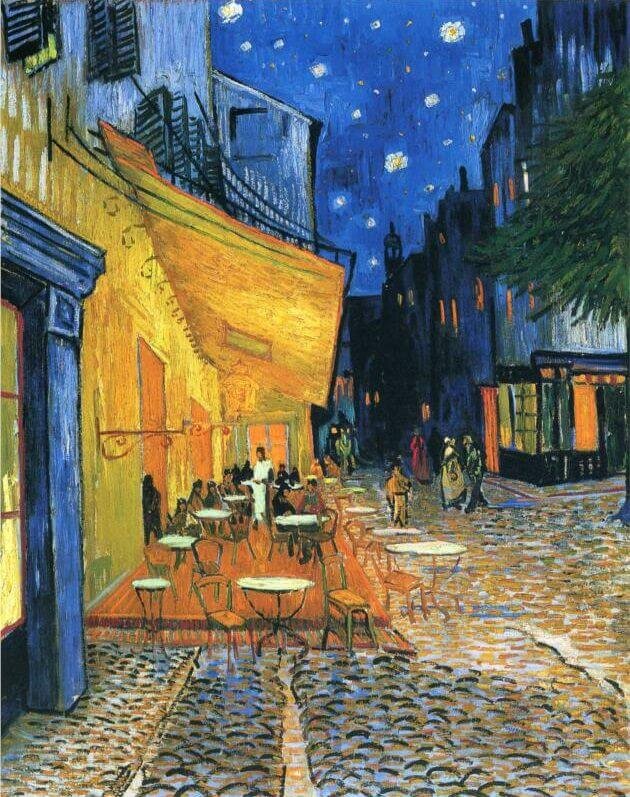
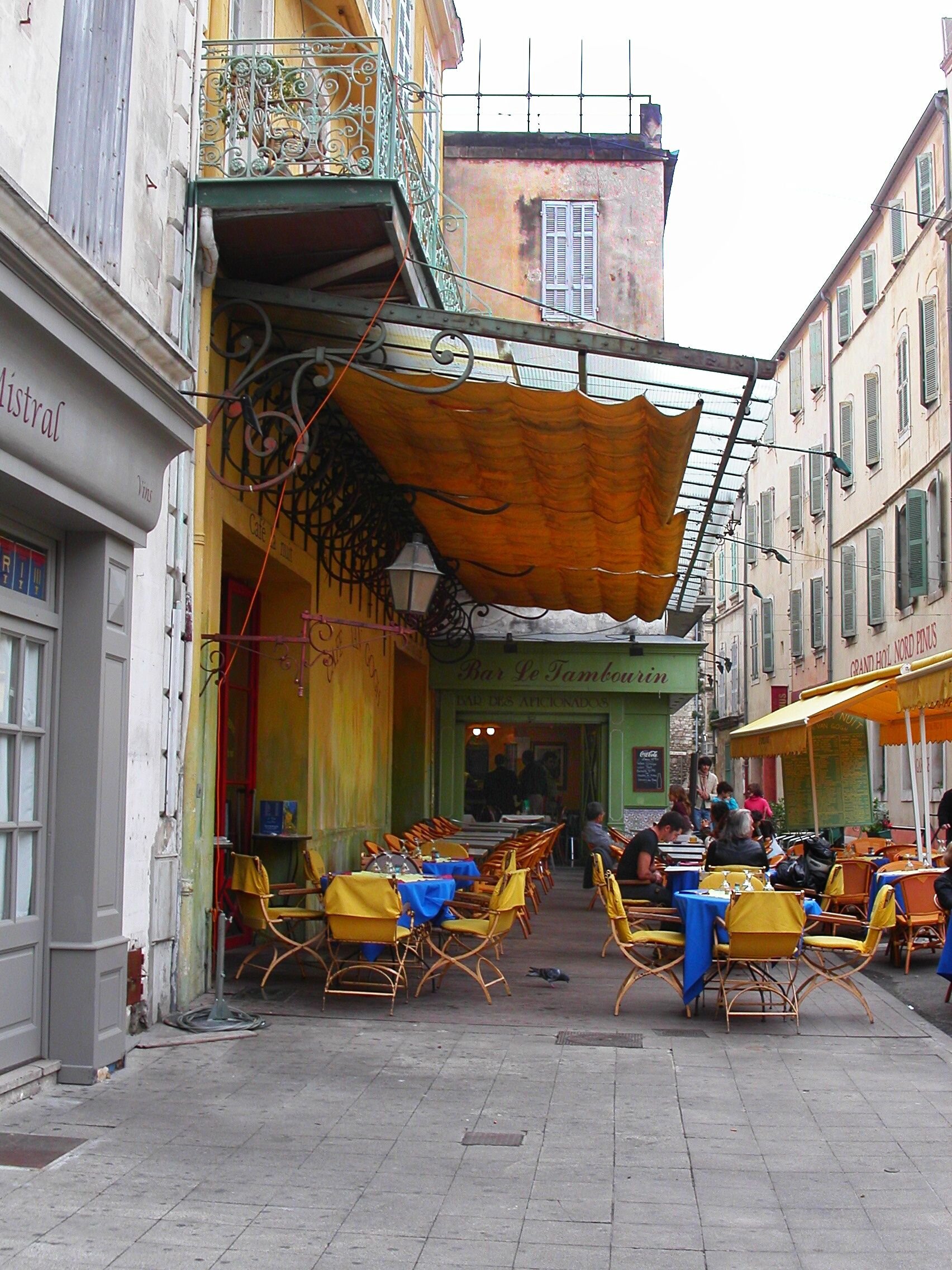
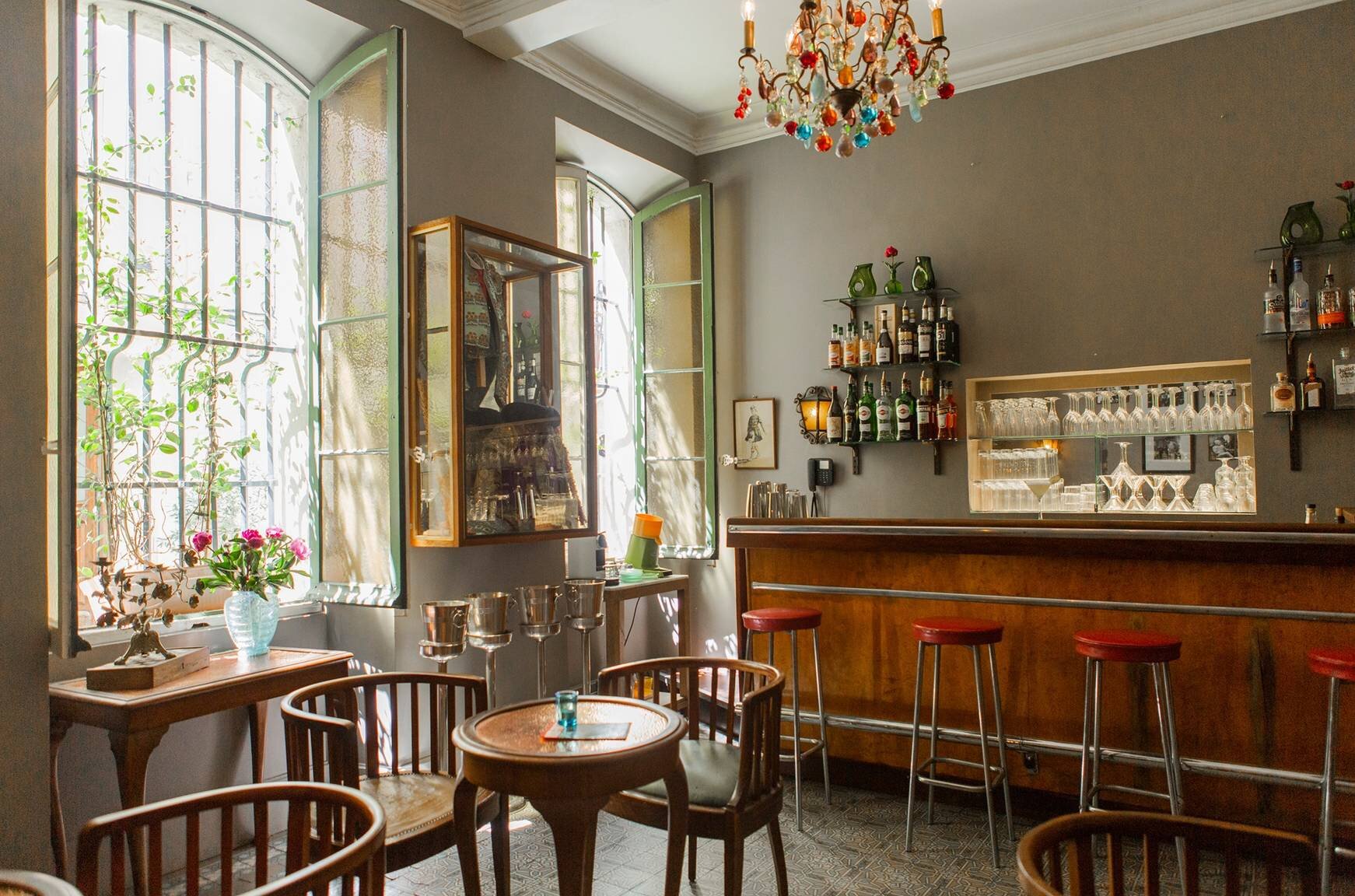
Grand Hôtel Nord-Pinus | Gault and Millau

Ancient Theater | Les Maisons d'Arles
gordes
From Arles, we head to Gordes, a charming hilltop village nestled into the foothills of the Vaucluse Mountains. En route to Gordes, perhaps we stop through Saint-Rémy-de-Provence on a Wednesday morning—market day—and leave with antique french linens and wicker and lavender and an obligatory Provençal spread—baguette, olives, cheese, and wine. We arrive in Gordes just in time to spread out our picnic and watch the sun set.
The best way to experience the town of Gordes is by walking around, meandering through narrow cobblestone streets to find the vista points, which provide views of the valley below. La Trinquette, a quaint town bistro with a lovely view, is the perfect place to pause for a drink at sunset.
There is much to see outside the town also. The Abbaye Notre-Dame de Sénanque is here, famed for its lavender. Visit the Abbey and then drive the back roads to view the purple fields that surround it. From Gordes, we take a few side trips—one to the Baptistère de Venasque, a Roman temple converted to a baptistry in the 6th century and quite a moving experience; another to Roussillon to see both the ochre-hued village and to visit quarries, Le Sentier des Ocres, that supply the town’s bright red earth. Finally, to Fontaine-de-Vaucluse, a natural spring at the foot of the Vaucluse Mountains with translucent waters. While there, we have a leisurely lunch on the terrace of Restaurant Philip, perched directly over the spring.
In Gordes:
La Trinquette |rue des Tracapelles, 84220, Gordes
Abbaye Notre-Dame de Sénanque | 84220 Gordes
Baptistère de Venasque | Place du Presbytère 84210 Venasque
Le Sentier des Ocres | 84220 Roussillon
Restaurant Philip | Chemin de la Fontaine Aux Pieds des Cascades, 84800 Fontaine de Vaucluse

Abbaye Notre-Dame de Sénanque | Wikipedia
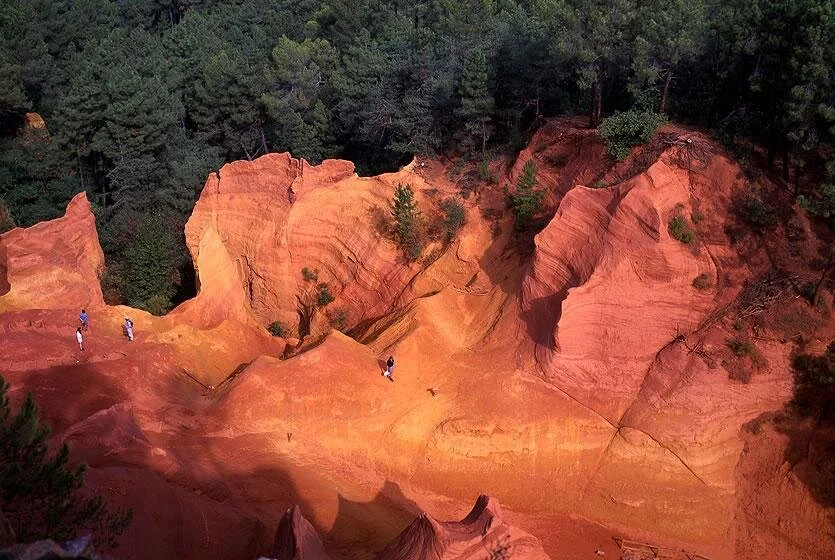
Ocres du Luberon | Gîte Lumière in Luberon
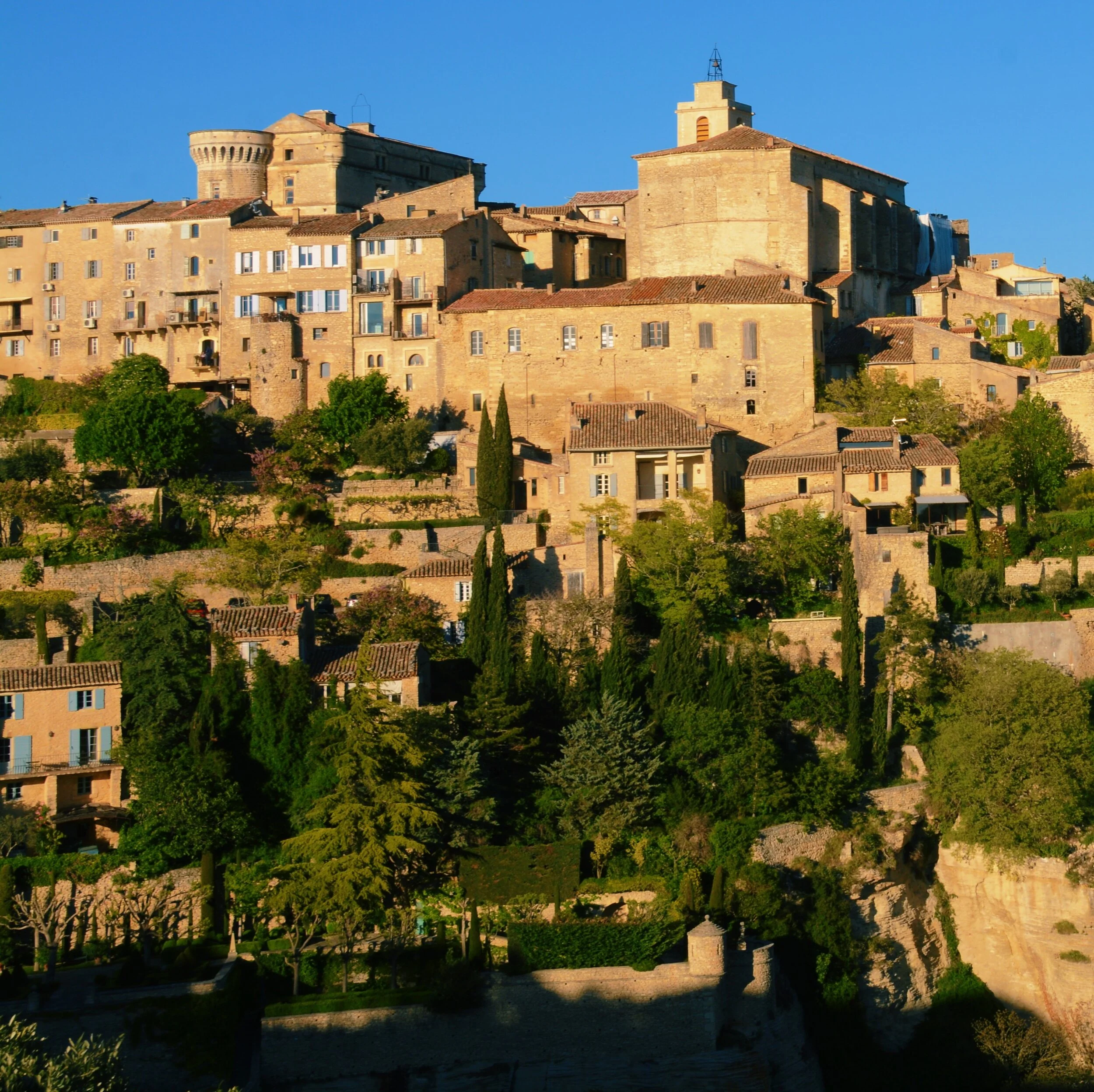
Gordes

Rousillon | Provence Experience

Restaurant Philip | Keith van Sickle

Gordes
l'isle-sur-la-sorgue
Replenished by nature, we head to L'Isle-sur-la-Sorgue, to the markets that spill into the streets of this picturesque little town, well-known for its antiques. Each weekend and for a few select weeks each year, antiques dealers set up hundreds of stalls brimming with objects collected and coveted and now preparing for new life. The market also includes stalls selling fresh cheese and local produce, handy for a much needed mid-antiquing energy source. The Sunday market is particularly special. For lunch, we tuck into the enchanted garden at Le Jardin du Quai.
In L'Isle-sur-la-Sorgue:
The Market | Quai Jean Jaurès, 84800 L'Isle-sur-la-Sorgue
Le Jardin du Quai | 91 Avenue Julien Guigue, 84800 L'Isle-sur-la-Sorgue
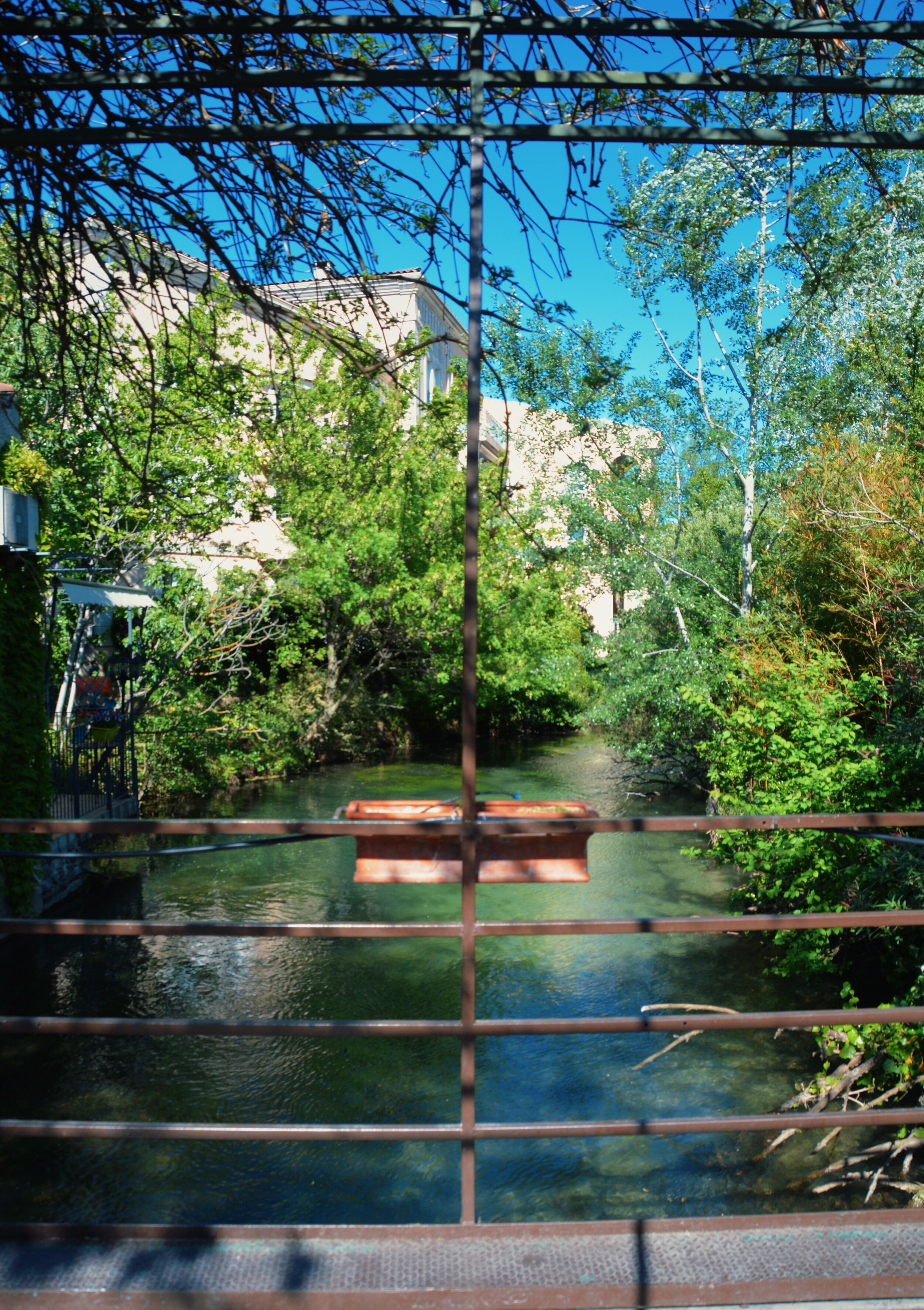

Le Jardin du Quai | Gault & Millau


aix-en-provence
As we head out of the idyllic Provence countryside, we make our last stop in Aix-en-Provence for a mix of art and architecture, and to imbibe our last drops of quintessential Provence culture. We begin with a trip to the studio of Paul Cézanne, where some of the objects featured in his still life works can be found, exactly where he left them. Next, a visit to Hôtel de Caumont, an 18th century private mansion that has been meticulously restored. An art center, opened in 2015, completes the immersive experience of Hôtel de Caumont, whose architecture, decor, gardens, and art collection draw you into another world. A stop at the Café Caumont, open during the day and in the evening, is a memorable cap to a visit.
Before we leave, we take a slow stroll down the Cours Mirabeau, a famed tree-lined street, reflecting on all we have experienced from Arles to Aix as we prepare to head to the sparkling coast of Southern France.
In Aix
Atelier de Cézanne | 9 Avenue Paul Cézanne, 13100 Aix-en-Provence
Hôtel de Caumont & Café Caumont | 3 rue Joseph Cabassol, 13100 Aix-en-Provence

Cézanne’s Studio | Steffan
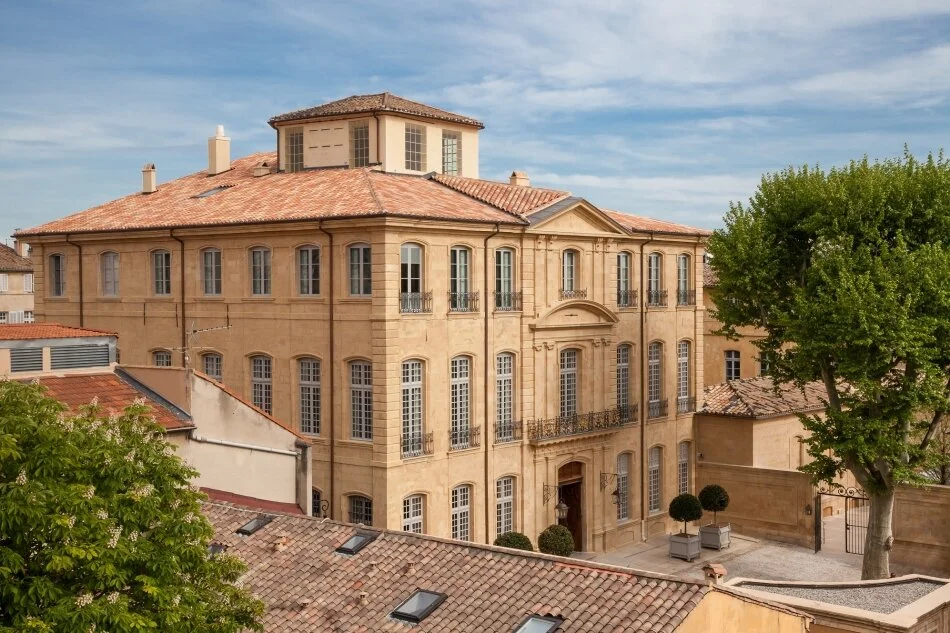
Hôtel de Caumont Art Center | Culture Spaces
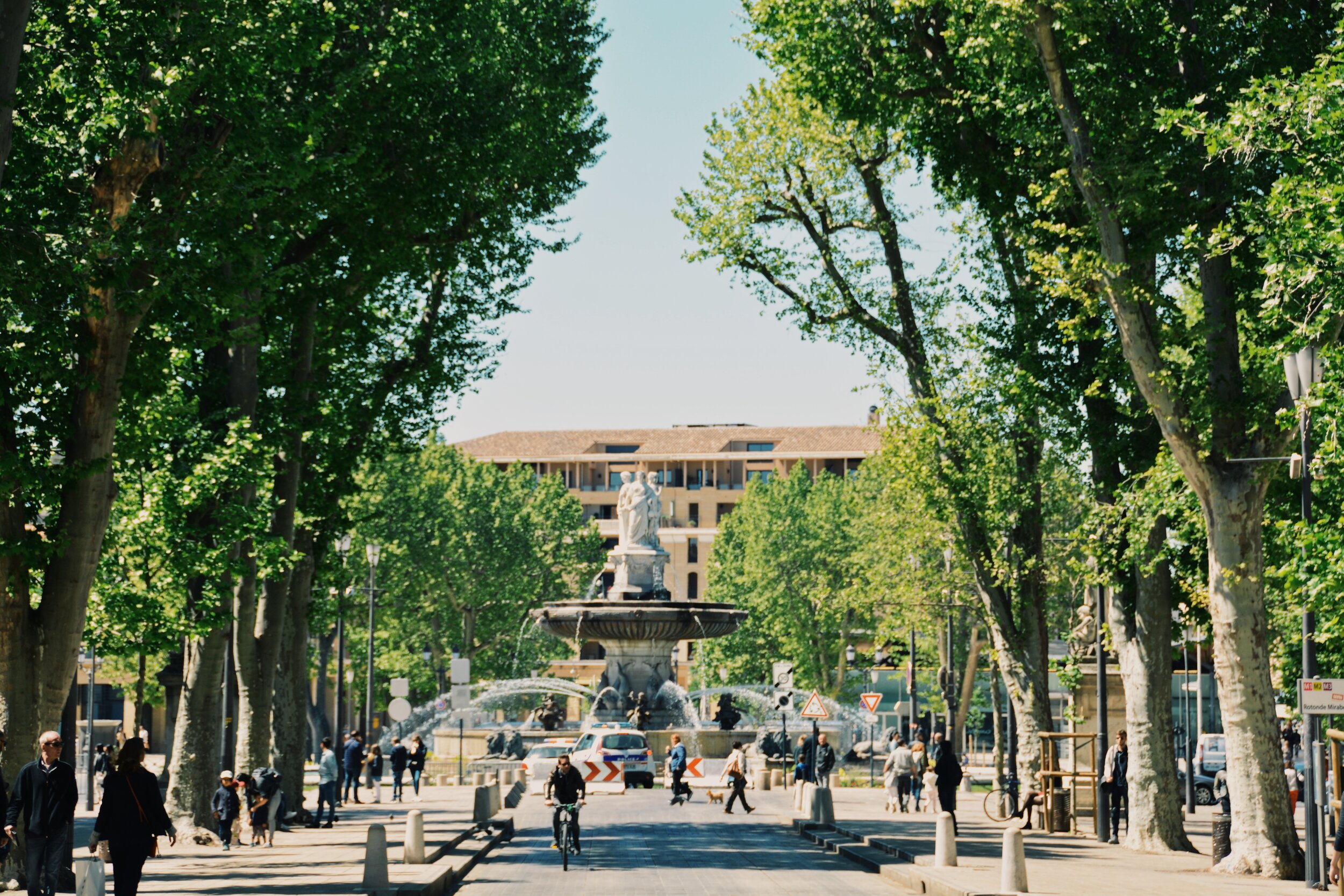
Cours Mirabeau

A street in Aix

La Rotonde fountain, Aix
Part 2: The Coast
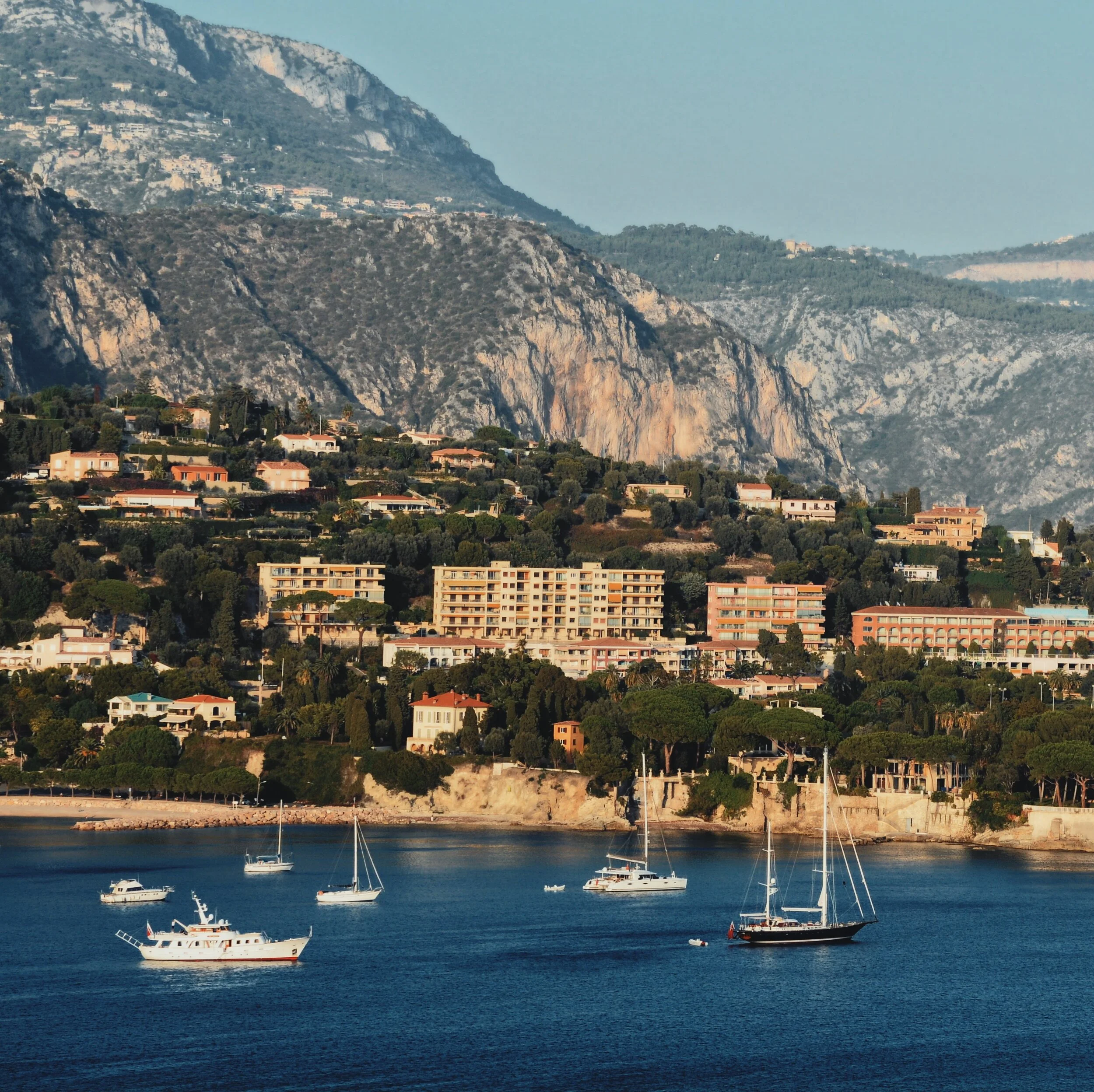
The Riviera

The Riviera

A window at the Matisse Museum

Hotel Negresco, Nice

Plage Mala, Cap d'Ail
les calanques de cassis
From the country, we make our way south to the coast, where we are greeted by the turquoise-hued Mediterranean waters of the Cote d’Azur. Our first stop is to the Calanques National Park, a rugged terrain that stretches between Marseille and Cassis. We hike from the Calanque Port Miou to the Calanque d’En Vau for the vistas, stopping along the way for dreamy swims in the grotto-like beaches nestled into the cliffs. If after a day of hiking and swimming the azure waters are beckoning us, we head to Plage du Corton, a few kilometers away from the Calanque Port Miou for snorkeling.
Nearby, there is much to see. The coast-hugging Clos Sainte Magdeleine and the lush Domaine du Bagnol are local wineries steeped in the charm of Cassis. Nature is resplendent at Cap Canaille, where we take in panoramic views of the Mediterranean coast from France’s highest sea cliff. A visit to Cassis for a casual lunch at Le Patio and a walk through the town’s flower-lined, windy cobblestone paths gives us a view into the way of life here. We end our time in Cassis at La Villa Madie where we have an artful dinner on the patio at sunset while the trees sway above us and the waves dance below.
In Cassis:
Calanque de Port Miou | 50 Avenue des Calanques, 13260 Cassis
Clos Sainte Magdeleine | Avenue du Revestel, 13260 Cassis
Domaine du Bagnol | 12 Avenue de Provence, 13260 Cassis
Le Patio | 11 Rue Brémond, 13260 Cassis
La Villa Madie | Avenue de Revestel-anse de Corton, 13260 Cassis

The welcome sign

Calanque Port Miou

Clos Sainte Magdeleine Winery
île de porquerolles
For our next adventure, we wander off the Côte d’Azur’s beaten path to a secret place of magic. A short ferry from Hyères deposits us in Porquerolles, an island located a few miles off the southern French coast in the Îles d'Hyères archipelago. The wild, swept-away atmosphere of Porquerolles—its white sand beaches and overflowing bougainvillea—is a far cry from the glitter and glamor of the French Riviera. We are here to luxuriate in that simplicity, which is a type of quiet elegance all its own, especially in a world of speed and plenty.
Our days in Porquerolles are devoted to basking in the timeless pleasures of the French Riviera—sea, sand, and slow living. We spend sun-filled days swimming in the crystal waters of the Plage Notre Dame. On an island with no cars, we explore by bike, winding through the trails that stretch around the island. We eat simply, picnicking on the beach to absorb every ray we can. Perhaps we have lunch on the terrace at L'Orangeraie one day. And when we’re feeling inspired to enjoy a civilized evening, we reserve a table at L'Olivier, at Le Mas du Langoustier, for a meal steeped in old-world glamour.
In Porquerolles:
Plage Notre Dame | Piste du Cap des Mèdes, 83400, Porquerolles
L'Orangeraie | Place d'Armes, 83400 Porquerolles
L’Olivier at Le Mas du Langoustier | 2588 Chemin du Langoustier, 83400 Porquerolles

In Between Pictures

Le Mas du Langoustier | Image by Martin Morrell via Conde Nast Traveler
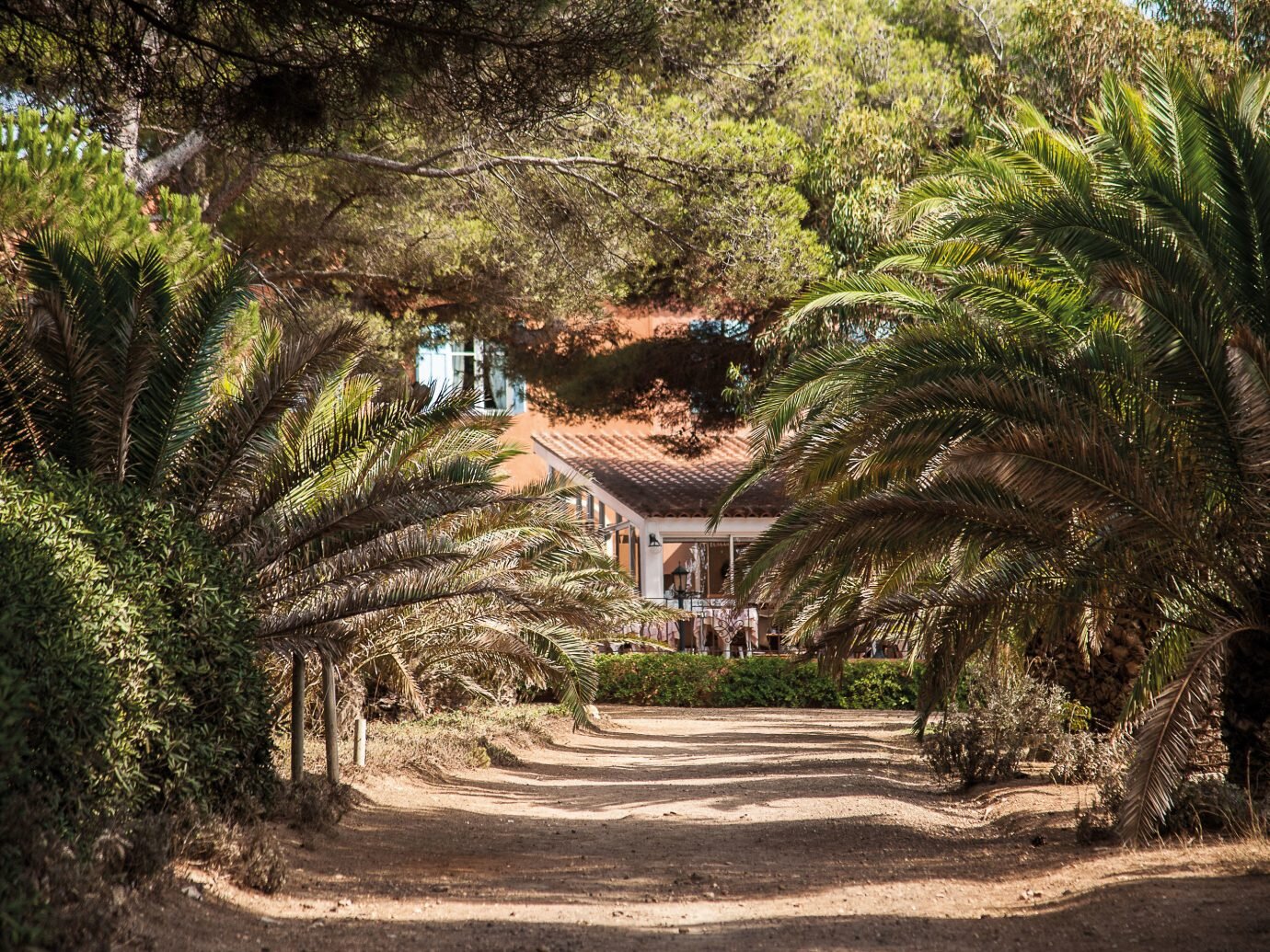
Le Mas du Langoustier via St. Tropez Luxury
st. tropez
“It is hard to imagine France’s Mediterranean coast before it became what it is today. At the beginning of the last century the region was known for rampant poverty, a place where farmers used human excrement as fertilizer. What transformed the ailing backwater was Europe’s burgeoning leisure class, whose members arrived on vacation, seeking the healthful climate and affordable places to stay during the winter. The so-called rentiers—men and women who…lived on unearned incomes—were the designers of a new landscape of desire, and the Côte d’Azur was their canvas.”
—James McAuley | Town & Country
An hour east of Porquerolles, but worlds away, lies the preternaturally glamorous St. Tropez. A place of mythical chic. Until a hundred years ago, St. Tropez was a sleepy fishing village. In the early 20th century, a chic crowd from Paris, including Coco Chanel, began discovering the town’s certain charm. But it was Brigitte Bardot’s 1956 film And God Created Woman, set here, that put St. Tropez on the map. Almost instantly, the jet set claimed St. Tropez as its own.
Since Bardot’s time, St. Tropez has changed. It has become more commercial, more expensive, more international. The particular magic of it, its bohemian allure, has been gradually dimmed in the process. Bardot herself has said, “By destroying the huts that had fantasy, poetry, the soul of the beach was killed…before, there were lots of local craft shops, taverns, small restaurants with their own personalities. It had an incredible charm. Now, we no longer eat on simple wooden tables, but on white tablecloths…”
So, we head to St. Tropez in search of the old. We skip over Plage de Pampelonne, iconic in the Bardot era, but now quite commercial, in favor of a visit to Plage de l'Escalet, quieter and a bit more wild. We eat lunch on the terrace at Chez Camille, in operation since 1913, and known for the bouillabaisse.
We walk St. Tropez town one day, exploring the marina and the cobblestone streets and contemplating what it must have been like all those years ago. We stop at Sénéquier, an institution in St. Tropez, for the quintessential Tropézienne café experience. For dinner, oysters and a glass of wine at Chez Madeleine.
In St. Tropez:
Plage de l'Escalet |Cap Camarat, 83350 Ramatuelle, Saint-Tropez
Chez Camille | Route de Camarat – Quartier Bonne Terrasse
83350 Ramatuelle
Sénéquier | 29 Quai Jean Jaurès, 83990 Saint-Tropez
Chez Madeleine | 14 Place aux Herbes, 83990 Saint-Tropez
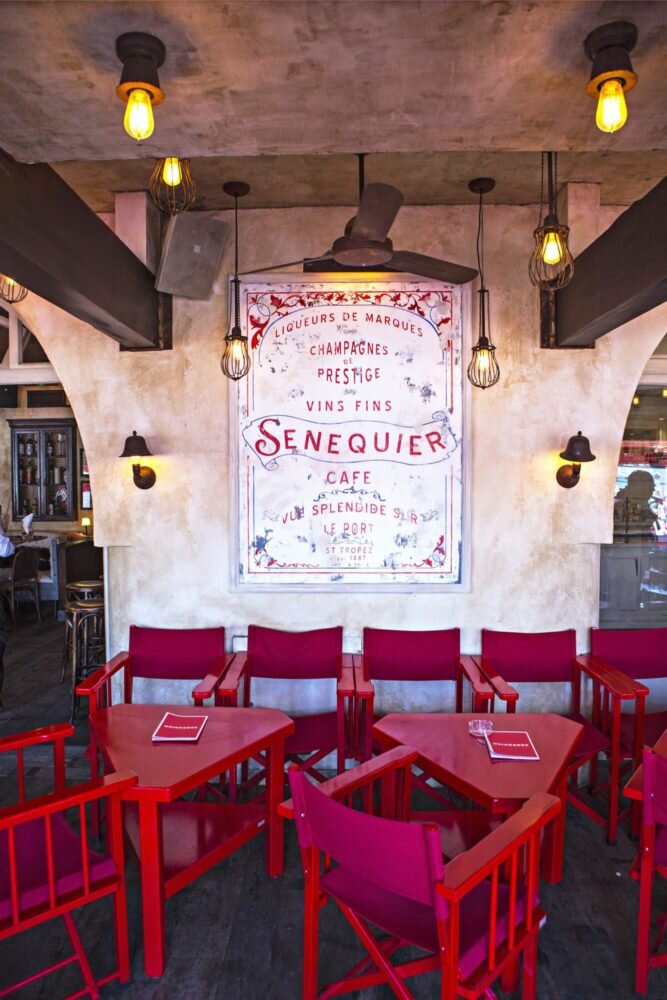
Sénéquier

Ville de Saint-Tropez | © J-L CHAIX
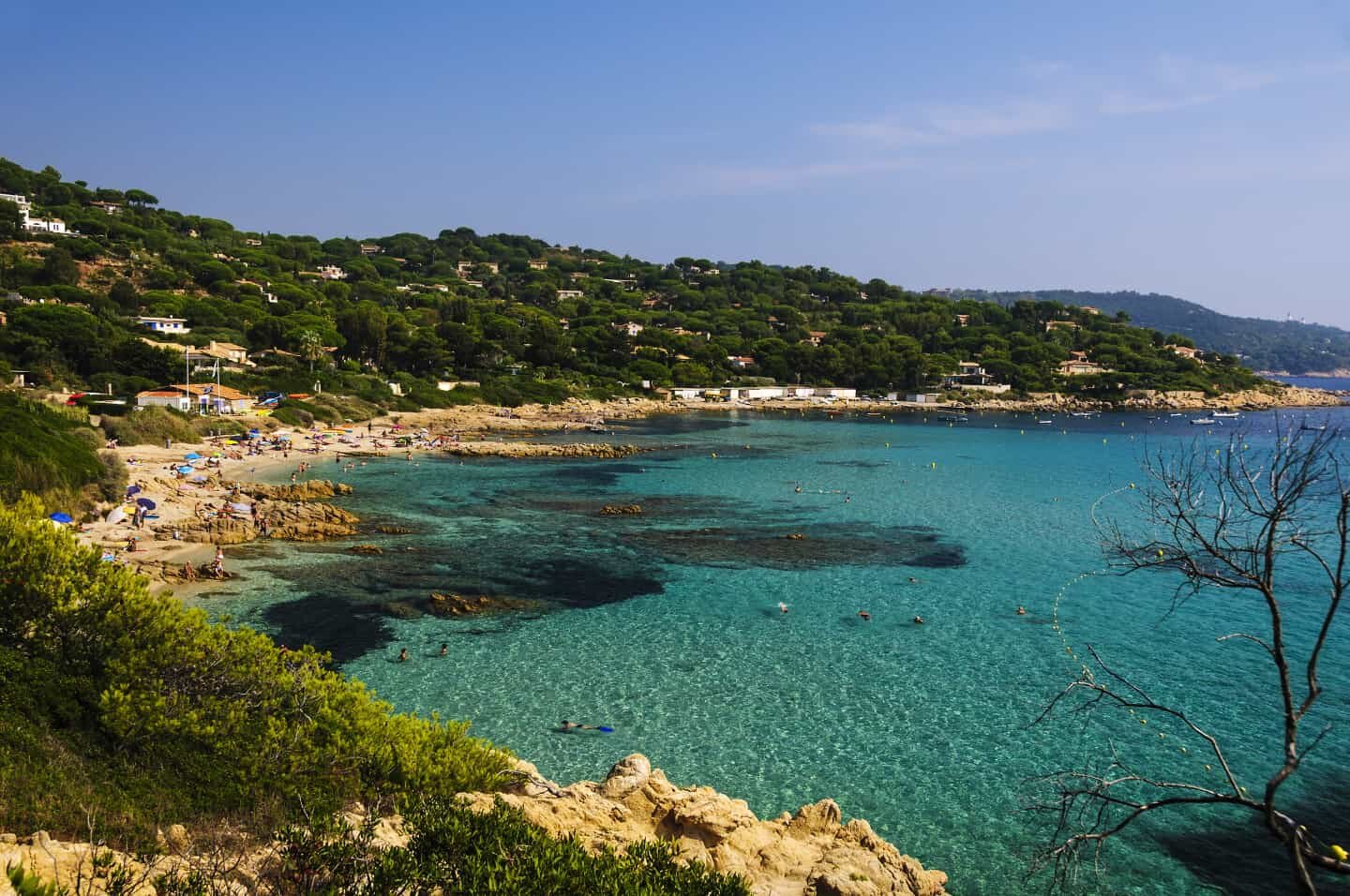
Plage de l’Escalet

View of Saint-Tropez from the Citade | © Assouline
saint-jean-cap-ferrat & beaulieu-sur-mer
From St. Tropez, we head east, passing through Nice, en route to the dreamy peninsula of Saint-Jean-Cap-Ferrat, a place overflowing with beauty, natural and built. On this lush strip of Mediterranean coast lie some of the world’s most elegant villas, notable for their architecture and history, and perhaps most of all, for the people who have called them home in the last century.
Three of these villas, open to visitors, provide a view into this world, and we’ll spend our time here immersed in the spirit and stories of these extraordinary places—testaments to the human capacity to dream and to envision, and to bring those dreams to life. Maybe we’ll do our pre-visit reading and post-visit dreaming while lounging on the beach—Plage de Passable or Plage Paloma are a couple of the lovely beaches nestled into Cap Ferrat.
First, the pink-hued Villa Ephrussi de Rothschild, perched on the Mediterranean, with some of the loveliest gardens on the Riviera. Here, we step into the world of Béatrice Ephrussi de Rothschild, the eccentric French baroness, often herself fully clad in pink, who designed the villa.

Villa Ephrussi de Rothschild | In Between Pictures

Saint-Jean-Cap-Ferrat
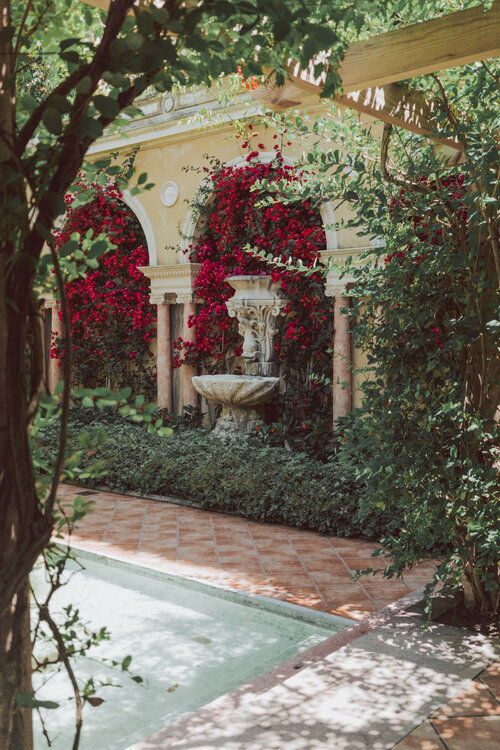
Villa Ephrussi de Rothschild | In Between Pictures

Villa Santo Sospir | D&A Magazine

Villa Kérylos | Pinterest
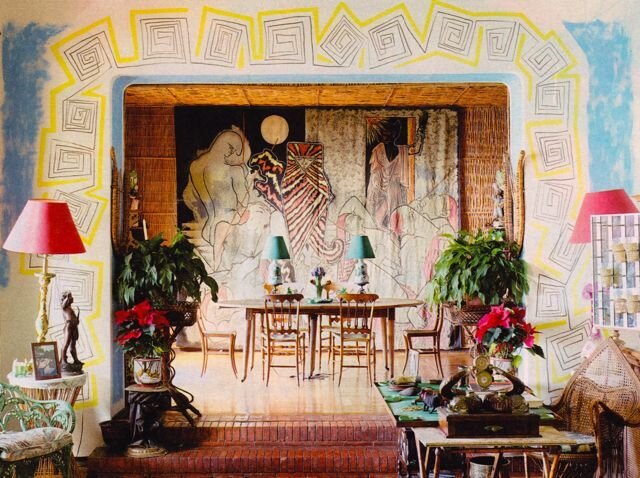
Villa Santo Sospir | Pinterest
Next, we visit Villa Santo Sospir, on the southern tip of Cap Ferrat. Alec Weisweiller promised his wife, Francine, that if they survived the Holocaust he would buy her their dream home. And so Santo Sospir, “a sacred sigh,” came into being—a vision of beauty born of pain. In 1949, Francine met Jean Cocteau, and the two shared a spiritual connection that forever transformed Santo Sospir. A house guest on and off for the next decade, Cocteau frescoed the walls of the house, transforming an already special place into a work of art.

Villa Kérylos | Divento
Our final stop is a sort of aesthetic pilgrimage to the Villa Kérylos, a Greek-inspired architectural tour de force in Beaulieu-sur-Mer, neighboring Cap Ferrat. In the early 1900s, Théodore Reinach, heir to a banking fortune, decided to use his inheritance to build an opulent villa on the French Riviera, inspired by the ancient homes on the island of Delos, Greece, which Reinach came across in his studies of ancient Greek architecture. A labor of love, with scrupulous attention paid to every detail, it’s a space that inspires deep thinking on vision, on beauty, and on the things and places we leave behind.
In Saint-Jean-Cap-Ferrat:
Plage de Passable | 15 Chemin de Passable j, 06230 Saint-Jean-Cap-Ferrat
Plage Paloma | 21B Avenue Jean Mermoz, 06230 Saint-Jean-Cap-Ferrat
Villa Ephrussi de Rothschild | 1 Avenue Ephrussi de Rothschild, 06230 Saint-Jean-Cap-Ferrat
Villa Santo Sospir | 14 Avenue Jean Cocteau, 06230 Saint-Jean-Cap-Ferrat
Villa Kérylos | Impasse Gustave Eiffel, 06310 Beaulieu-sur-Mer
èze
At last, we arrive in Èze, a hilltop village perched high above the Mediterranean, with views as far as the eye can see.
Èze is comprised of two distinct areas—a town at sea level, Èze-sur-Mer, and another 450 meters above, Èze Village. Connecting the two is a steep dirt path, the Nietzsche Trail, named after the German philosopher who climbed the trail daily during the years he lived on the French Riviera. We’ll walk in his footsteps, making the ascent while we reflect on Nietzsche’s famous words—”all truly great thoughts are conceived while walking.”
Our first stop is to Le Jardin Exotique d'Eze, a botanical garden nestled into the cliff on the site of a former medieval fortress. Rejuvenated by the scent of jasmine, we continue onward to the village, to walk the cobblestone streets. We stop to admire the baroque style of the Notre-Dame de l’Assomption, an 18th century church.
For evening enchantment, we make a reservation at the Château Eza, where we dine on the outdoor terrace at sunset, while the warm orange sun fades over the blue horizon.
In Èze:
Nietzsche Trail | Avenue du Jardin Exotique, 06360 Èze
Le Jardin Exotique d'Eze | 20 Rue du Château, 06360 Èze
Notre-Dame de l’Assomption | Place de l'Eglise, 06360 Èze
Château Eza | Rue de la Pise 06360, Èze

Notre-Dame de l’Assomption

via Château Eza

The streets of Èze Village
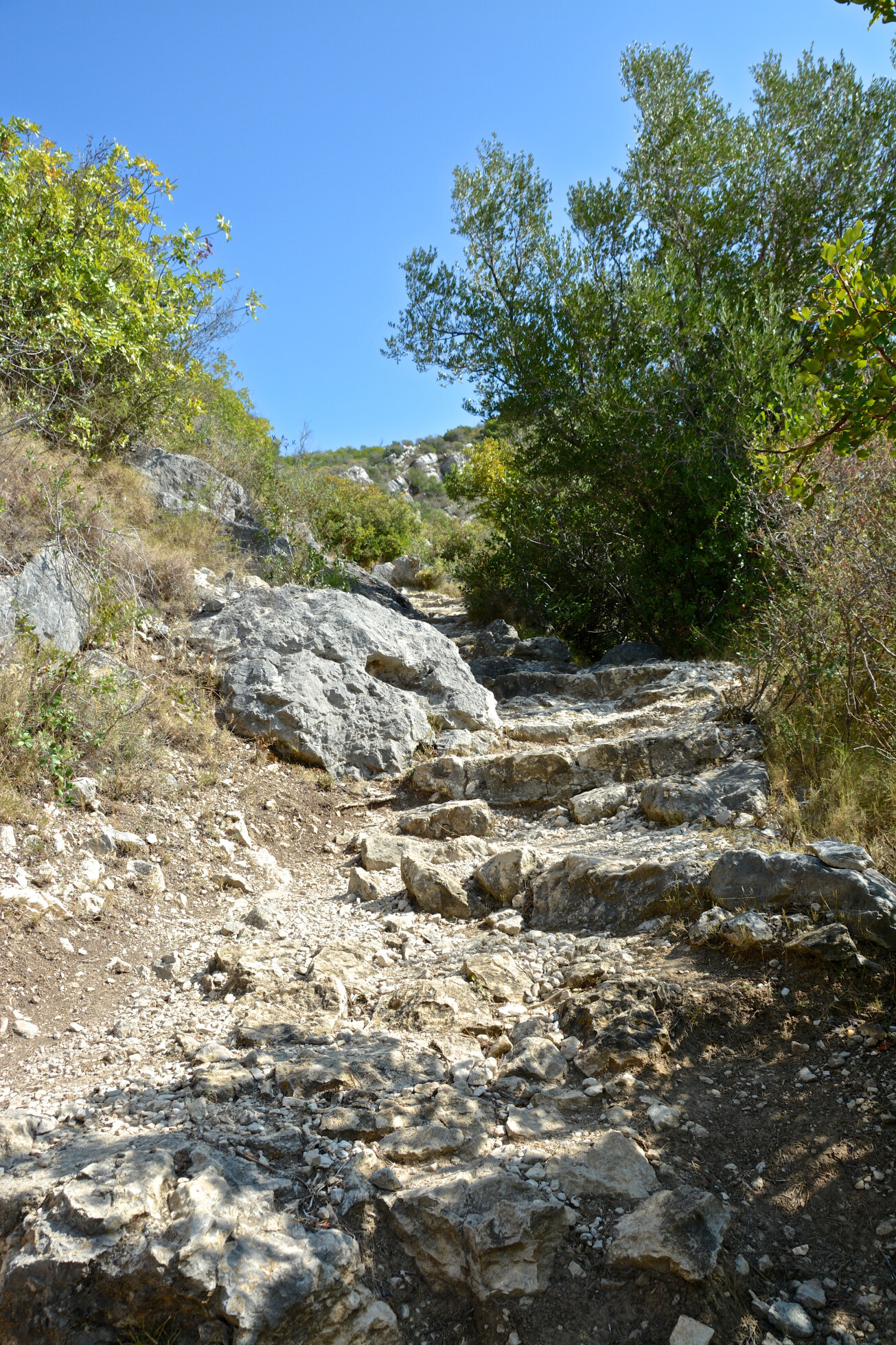
Nietzsche Trail
The dream of my life
Is to lie down by a slow river
And stare at the light in the trees—
To learn something by being nothing
A little while
but the rich
Lens of attention
—Mary Oliver
And so, in bits and pieces, we experienced something of Provence. Some of its charm, some of its magic, some of its beauty. The poet Mary Oliver writes a lot about attention and attentiveness as ingredients for a fulfilling life. So we close this post with a thought inspired by her. If traveling allows us to see things, perhaps it is attention that allows us to feel them. Whenever we travel again, and for all the trips we take until then in our imagination, our wish is that we may be connected to the light of our attention, available to us in Paris and Provence, but also in Portsmouth, right where we are, and to all of the places we go.

Enchanted Things to Experience in the French Capital

a dream visit to paris
Week two of our tour of France brings us to Paris. A place whose particular wonder is difficult to capture in words. Perhaps Paris is better left to the realm of feeling.
In the Paris of our dreams, time stands still. Travel is glamorous. Tourism is cultural. Time is ample and we can luxuriate in the moment. There isn’t pressure to see things or to do things. The places we selected take us there, to that quiet place that’s less concerned with doing and more concerned with feeling. They are places of magic and enchantment and wonder.
We approached compiling our guide from this space. For the most part, these are places we have been ourselves, but a few are places we dream of going once we are traveling again. Until then, we’ll be taking ourselves there in our imagination. After all, if Paris is a feeling, can’t we evoke it anytime we like?

2017
arts
Musée Bourdelle
This intimate museum far from the well-traveled path beautifully displays the work of the sculptor Antoine Bourdelle as if momentarily frozen in time. Hundreds of Bourdelle’s creations are included in the collection, spread out artistically between the museum’s rooms. The most enchanting of all? Bourdelle’s studio which is positively magical.
18 Rue Antoine Bourdelle, 75015 Paris

Bourdelle’s Studio at the Musée Bourdelle
Musée Gustave Moreau
For another intimate view into an artist’s life and work, consider the Musée Gustave Moreau, dedicated to the work of the 19th century painter. Moreau himself conceived of the museum, which is located in his family home, in the apartments on the first floor.
14 Rue de la Rochefoucauld, 75009 Paris
Palais Garnier
To be transported to another world altogether, visit the Palais Garnier. Built at the command of Emporer Napoleon III by the architect Charles Garnier from 1861-1875, it was Paris’s only opera house until 1989, when the Opéra Bastille opened. There are two ways to experience the awe of this space: in the day, when you can tour the building while the auditorium is empty, or in the evening, while attending a performance. To imagine what has been seen and heard and felt and worn at this grand opera house over these nearly 150 years all the while taking in the beauty of the space is to be suspended in wonder.
Place de l'Opéra, 75009 Paris

Musée National Picasso-Paris
Despite being larger and more well-traveled, the Picasso Museum in Paris is a remarkable experience and a rich look into the world and work of Picasso. A prolific artist, Picasso created an estimated 50,000 works of art in his lifetime, and the 5,000 piece collection in this museum gives both life to this figure and a view into Picasso’s immense creativity. The building itself, a hôtel particulier built in the late 1600s, is also a feast for the eyes.
5 Rue de Thorigny, 75003 Paris
Musée de la Vie Romantique
Slip into the 19th century intellectual salons of the painter Ary Scheffer in this pink romantic period hôtel particulier at the foot of Montmartre. As you walk in the rose-filled gardens and stroll through the art collection housed in the main house, imagine Frédéric Chopin and George Sand, Eugène Delacroix and Franz Liszt gathering together to debate topics on the leading edge of art and thought all those years ago.
16 Rue Chaptal, 75009 Paris
Musée de l'Orangerie
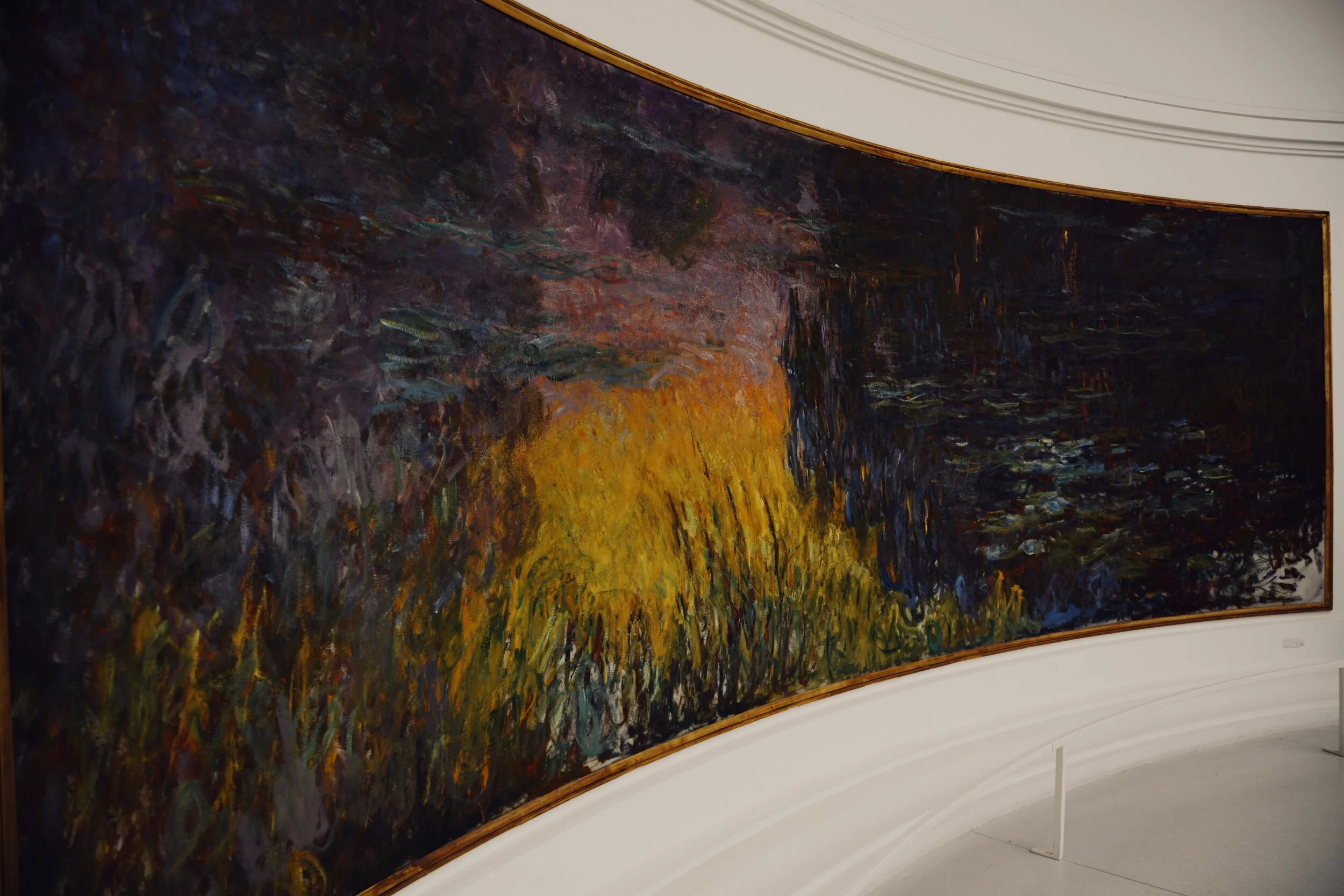
To step into a Monet painting, visit the Orangerie, where eight magnificent large scale oil-on-canvas panels wrap organically around two rooms, leaving the viewer entranced. A further touch of magic is introduced by the fact that Monet himself was involved in the design and installation of his artworks in this grand space.
Jardin Tuileries, 75001 Paris

A wall in Bourdelle’s studio

A spirit of timelessness pervades at Musée Bourdelle




gardens
Jardin du Luxembourg
For an infusion of sunshine and greenery in the heart of the Left Bank, the grounds of Jardin du Luxembourg, in Paris’s 6th arrondissement, provide a calm respite from a buzzing city. The Medici Fountain is especially lovely.
75006 Paris
Parc des Buttes Chaumont
The Parc des Buttes Chaumont, located on the outskirts of Paris in the 19th arrondissement, is a land of unexpected wonders. Both a part of and distinct from the city, the park offers surreal delights wherever the eye looks from bridges and grottos, to waterfalls and willows. If you are feeling adventurous, travel by bike from the center of Paris.
1 Rue Botzaris, 75019 Paris

The statue of Vertumne, God of the Seasons, by Francois Barois in the Jardin des Tuileries
Jardin des Tuilieries
Although quite on the well-trodden path, the Jardin des Tuileries is enchanting, with wild flowers and fountains, statues and scenery. A place to flâneur, take a slow stroll on a sunny day from the Louvre to the Place de la Concorde through the beautiful gardens. With the Louvre behind you, the Eiffel Tower to your left, you can’t help but feel like you are connected to the beating heart of Paris with each step.
Place de la Concorde, 75001 Paris, France

The Eiffel Tower from the Tuileries Gardens

Diana the Huntress by Louis Auguste Leveque at the Jardin des Tuileries

Jardin des Tuileries in the warm glow of the sun
coffee & pastry
Sébastien Gaudard
With two shops in Paris, Sébastien Gaudard is making the old-world pâtisserie modern. From the traditional pastry offering to the the decor and the ambiance, a visit to Sébastien Gaudard feels timeless. Cap a walk at the Jardin des Tuileries with an almond croissant and a café au lait at the Rue des Pyramides shop. The tart au citron is also notable.
1 Rue des Pyramides, 75001 Paris
Fragments
In a city known for its pastries, coffee can occupy a less central place. Not at Fragments, an espresso bar tucked down a quiet side street in Le Marais, which serves great coffee. Some say it’s the best cappuccino in Paris. Combine the coffee with the vibe—modern meets rustic meets warm—and all of the ingredients are there for a cozy spot to enjoy a coffee in this chic Parisian neighborhood.
6 Rue des Tournelles, 75003 Paris
Du Pain et des Idées
One of Paris’s most beloved bakeries, Du Pain et des Idées is a traditional Parisian boulangerie in every sense—the food is displayed artfully, the facade is beautiful, the line is long, and the pastries are excellent. The pistachio and chocolate escargot is a speciality.
34 Rue Yves Toudic, 75010 Paris

Du Pain et des Idées
dining
La Fontaine de Mars
This old-world Parisian bistro is as classic and timeless and warm as the food it serves. With its checkered tablecloths and tiled floors, La Fontaine de Mars has that quintessential bistro chic, elegant and informal at once. For dessert, the floating island is memorable.
129 Rue Saint-Dominique, 75007 Paris
Clown Bar
For a snapshot of Paris today, and for a view into the food of Paris tomorrow, consider Clown Bar, an eclectic, unexpected culinary experience featuring creative small plates and a large selection of natural wines. The clown-inspired decor pays homage to the spot’s history as a hangout for the Cirque d’Hiver, Paris’s winter circus, just a few doors down.
114 Rue Amelot, 75011 Paris
Joséphine chez Dumonet
And back again to the past, Joséphine chez Dumonet is another old world bistro with classic Parisian food done well. The beef Bourgignon and Grand Marnier soufflé, which should be ordered at the start of your meal, are both exceptional.
117 Rue du Cherche-Midi, 75006 Paris

La Fontaine de Mars, image via Google Maps
music & cocktails
Cravan
Far from the crowds in the 16th arrondissement, this cozy cocktail bar is part of the new wave of restaurants in Paris creatively expanding upon the city’s rich culinary tradition with new ideas. The cocktails are modern, the decor is beautiful, the fare is traditional, and the pieces come together to form something memorable.
17 Rue Jean de la Fontaine, 75016 Paris
Caveau de la Huchette
For jazz, consider Caveau de la Huchette, a decades-old underground jazz cave. When you’re not busy dancing, imagine Count Basie and Sidney Bechet playing right before your eyes.
5 Rue de la Huchette, 75005 Paris
Le Très Particulier
Climb to the top of Montmartre and open the gate to turn into a beautiful, tree-lined property. Take the path to the bar—Le Très Particulier at the Hôtel Particulier Montmartre, which will delight you in every sense. Enjoy your cocktail in the beautiful setting—plush velvet chairs and black and white tiles set amidst plants and garden-inspired wallpaper.
Hôtel Particulier Montmartre, 23 Avenue Junot, 75018 Paris

image via Cravan
and more
old-world shopping in search of enchanted objects at Galerie Vivienne 5 Rue de la Banque, 75002 Paris
chocolate pralines at Debauve & Gallais 30 Rue des Saints-Pères, 75007 Paris
escargot at Aux Crus de Bourgogne 3 Rue Bachaumont, 75002 Paris
spices at Épices Roellinger 51 bis Rue Sainte-Anne, 75002 Paris
warm chocolate chip cookies at Mamiche 45 Rue Condorcet, 75009 Paris
perfume & toiletries at L'Officine Universelle Buly 6 Rue Bonaparte, 75006 Paris
books and magic at Shakespeare & Company 37 Rue de la Bûcherie, 75005 Paris


What are your favorite places in Paris? What magical spots have you discovered? Where do you dream to go? What do you dream to experience in this incredible city? We’re so excited to hear from you. And if you have travel pictures, we’d love to see them! Share on instagram with #elephantineontour.