

The Art of Italian Entertaining
Everything you need to know to host the Italian dinner party of your dreams.
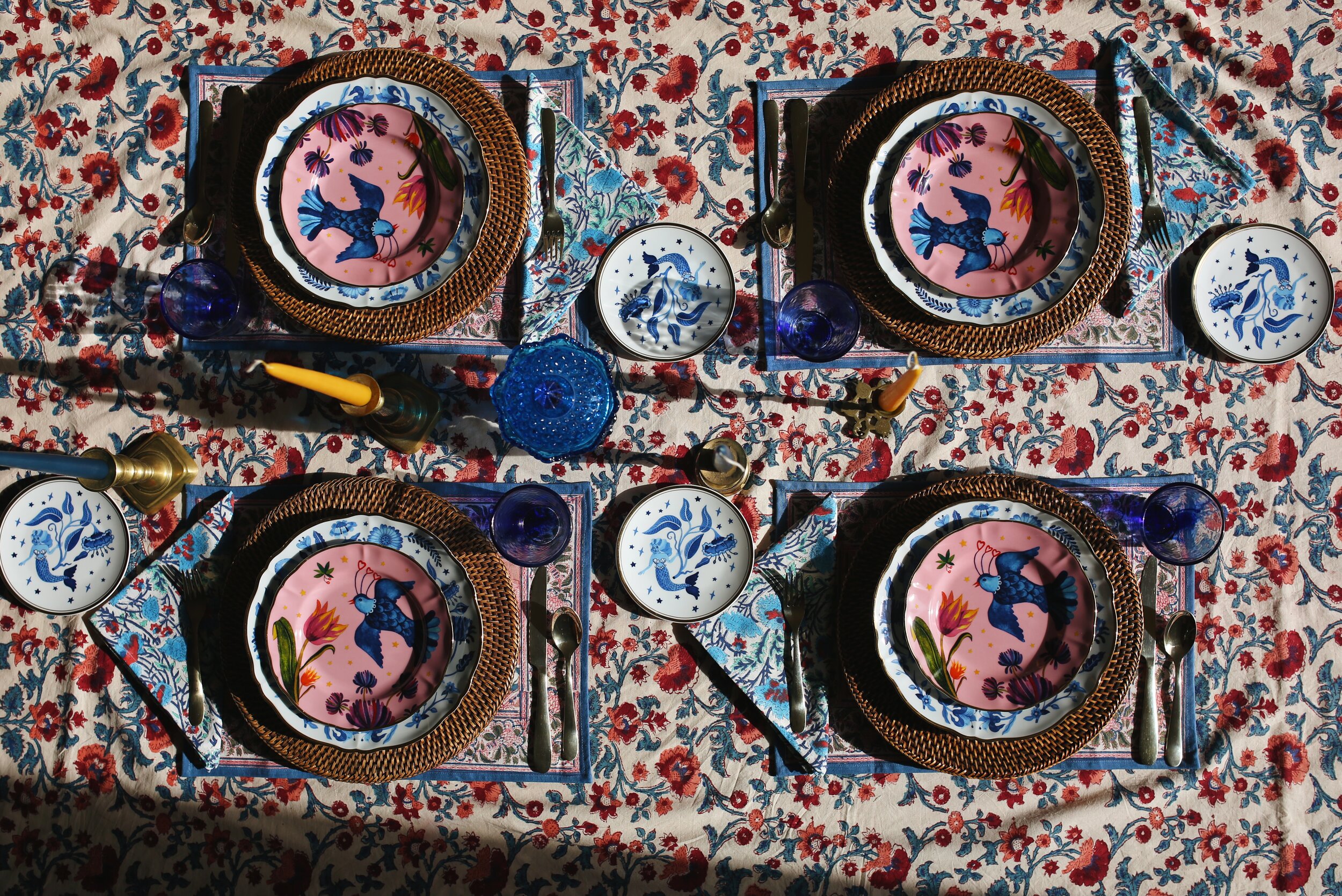
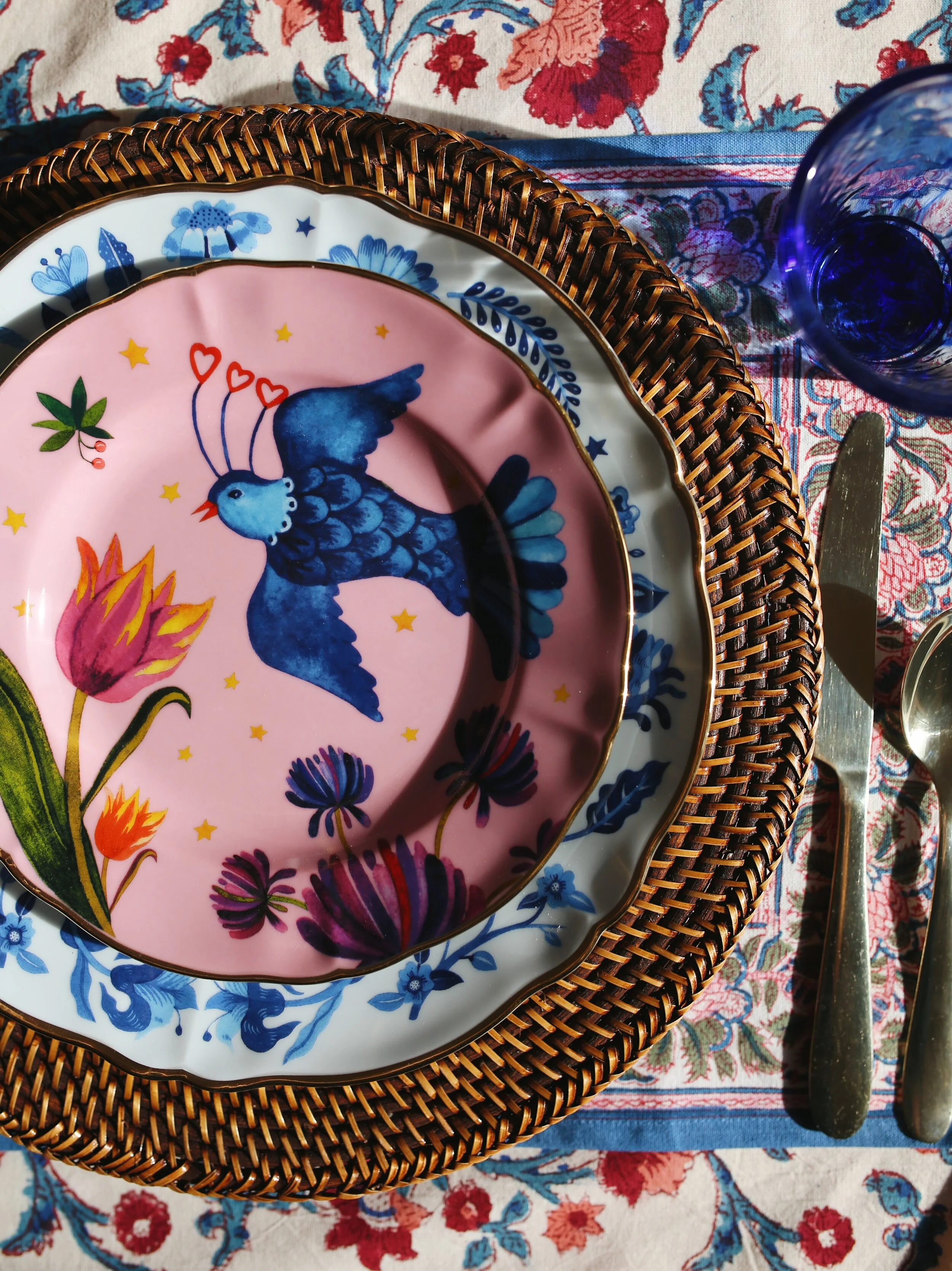
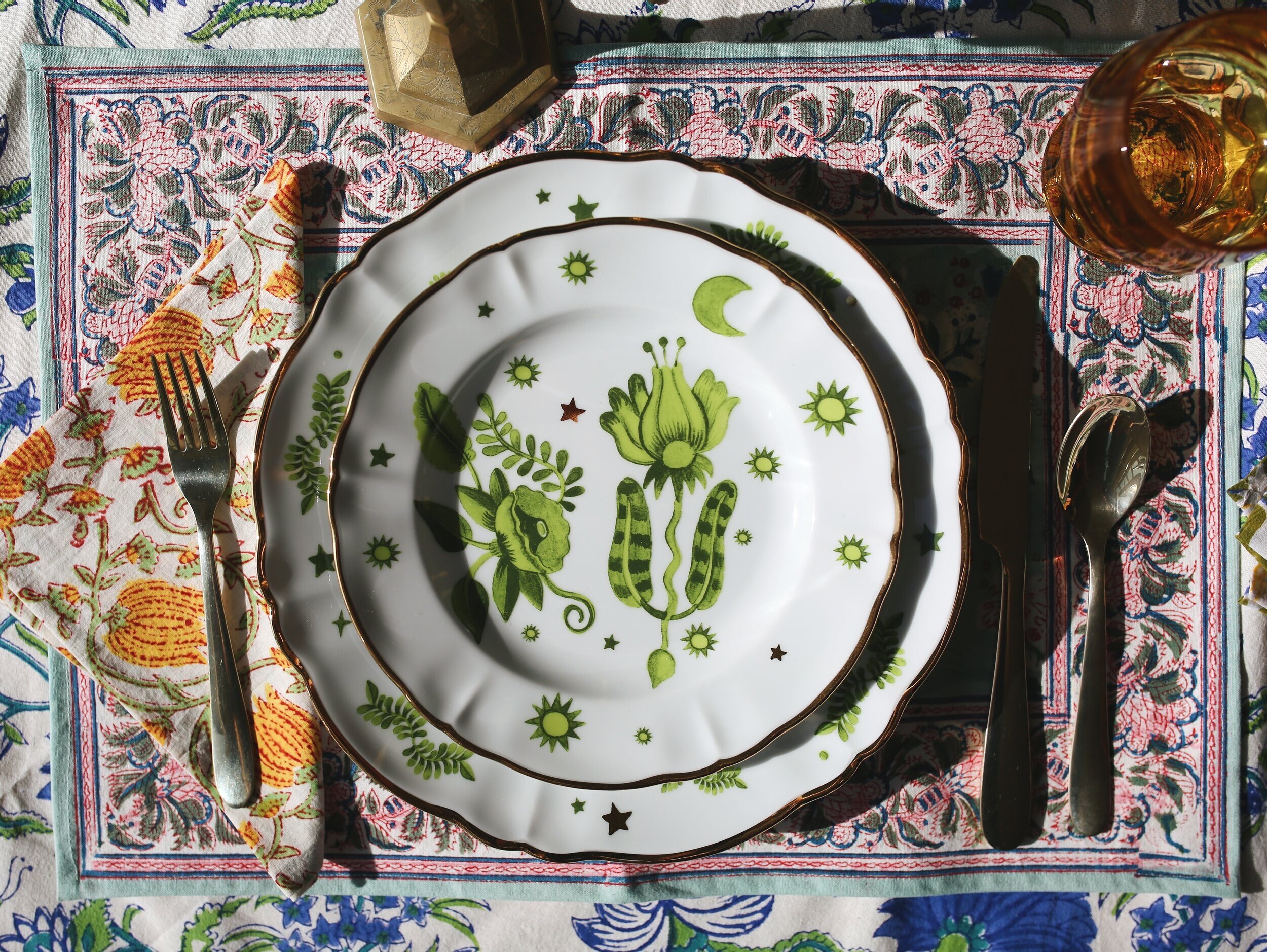
Our dream Italian table featuring hand block printed table lines, vintage wicker chargers, and hand-painted Italian ceramics. All available on our e-shop.
CIAO!
Welcome to Italia! For our next stop along the Mediterranean, we’ll be traveling through the land of la dolce vita, celebrating the art of living, Italian style. We begin our travels not with an Italian destination but a frame of mind—the art of Italian entertaining. We’re intrigued by the question: what makes an Italian dinner so alluring? We set out to discover the elements at play, and then we curated a shop and a guide (below) to help bring the magic of the Italian evening home. Beginning with assembling an Italian table, and moving on to throwing a proper Italian party—with dinner, drinks, and the in between. Our e-shop is stocked with special pieces for the Italian table—from linens to plates and a collection of vintage pieces, as well as Italian artisan pasta, olive oil, balsamic vinegar, and wine. We hope to inspire the sense that traveling to Italy for an evening is not only possible, but is sure to be an experience steeped in magic.
Allora! The Italian dinner party!

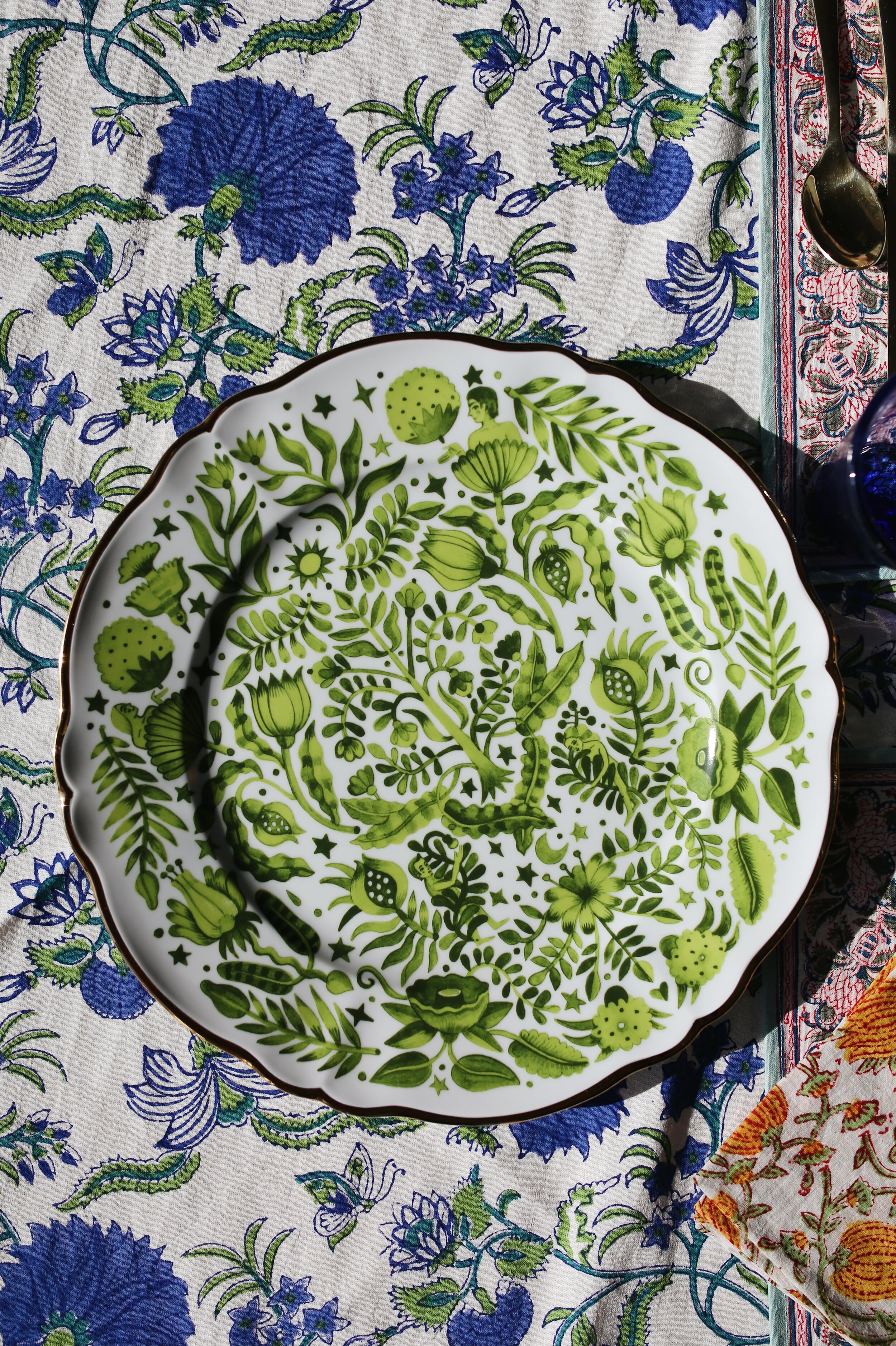
Vintage blue and white pieces and hand-block printed table cloths make for a table bursting with color. Shop these objects here.
convivium | the italian dinner
Everything has an origin. The Italian dinner of today finds its roots in Ancient Roman traditions on eating and gathering that took shape 2,000 years ago.
While the Ancient Greeks drank in their symposia, the Ancient Romans ate in theirs. The Roman banquet was called the convivium, meaning living together, a poignant signifier of the idea that gathering around the table to share a meal is about more than food. In fact, the banquet, and attendantly food, was a central characteristic of Ancient Roman culture, religion, and politics.
For the Ancient Romans, the dinner party was a grand and poetic affair. Katharine Raff, of The Metropolitan Museum of Art writes, “Roman literary sources describe elite private banquets as a kind of feast for the senses, during which the host strove to impress his guests with extravagant fare, luxurious tableware, and diverse forms of entertainment, all of which were enjoyed in a lavishly adorned setting.”

In the 1st century AD, Marcus Gavius Apicius wrote De Re Coquinaria (The Art of Cooking). It is the only surviving cookbook of the Roman empire.

A 1st century AD mural depicting a traditional Roman banquette in Pompeii

A fresco from Pompeii circa 50-79 BC. Collection of the National Archaeological Museum of Naples.
a tavola | the italian table

For Italians there is the gioie della tavola, the joys of the table. The Italian table is a sacred place, where food and family, pillars of Italian society, meet, and where life unfolds, casually and communally, over the universal human experience of a shared meal. It is here, at the table, that we set the scene for our dinner party.
First, we retreat to our imagination where images of countless Italian dinner parties dance around in our minds. We’re inspired by the easy old-world elegance of taste makers whose approach to living and entertaining Italian-style is mythical. How would Marella Agnelli set the table for a special evening at her beloved Villar Perosa? What about Contessa Lili Volpi preparing for a dinner party in her Venetian palazzo? We’re invited to Rudolph Nureyev’s seaside retreat in Li Galli, where, according to ancient myth, sirens lived—how does the table look when we arrive? What about at one of Marchesa Luisa Casati’s extravagant dinner parties? At Mona von Bismarck’s in Capri, Peggy Guggenheim’s in Venice, or at Le Sirenuse in Positano when it was still the summer home of the Sersale family—what was the spirit of these Italian tables? Is there a unifying philosophy at the heart of Italian entertaining? And, how do we weave together these stories—of places, parties and people—to arrive at the Italian table of our fantasies?

Antonelli Sisters, Florence, 1983 | Slim Aarons

The bedroom suite of Marella Agnelli at Villar Perosa in Turin, Italy | Image via Architectural Digest

Marella Agnelli at Villar Perosa, 1967 | Horst P. Horst

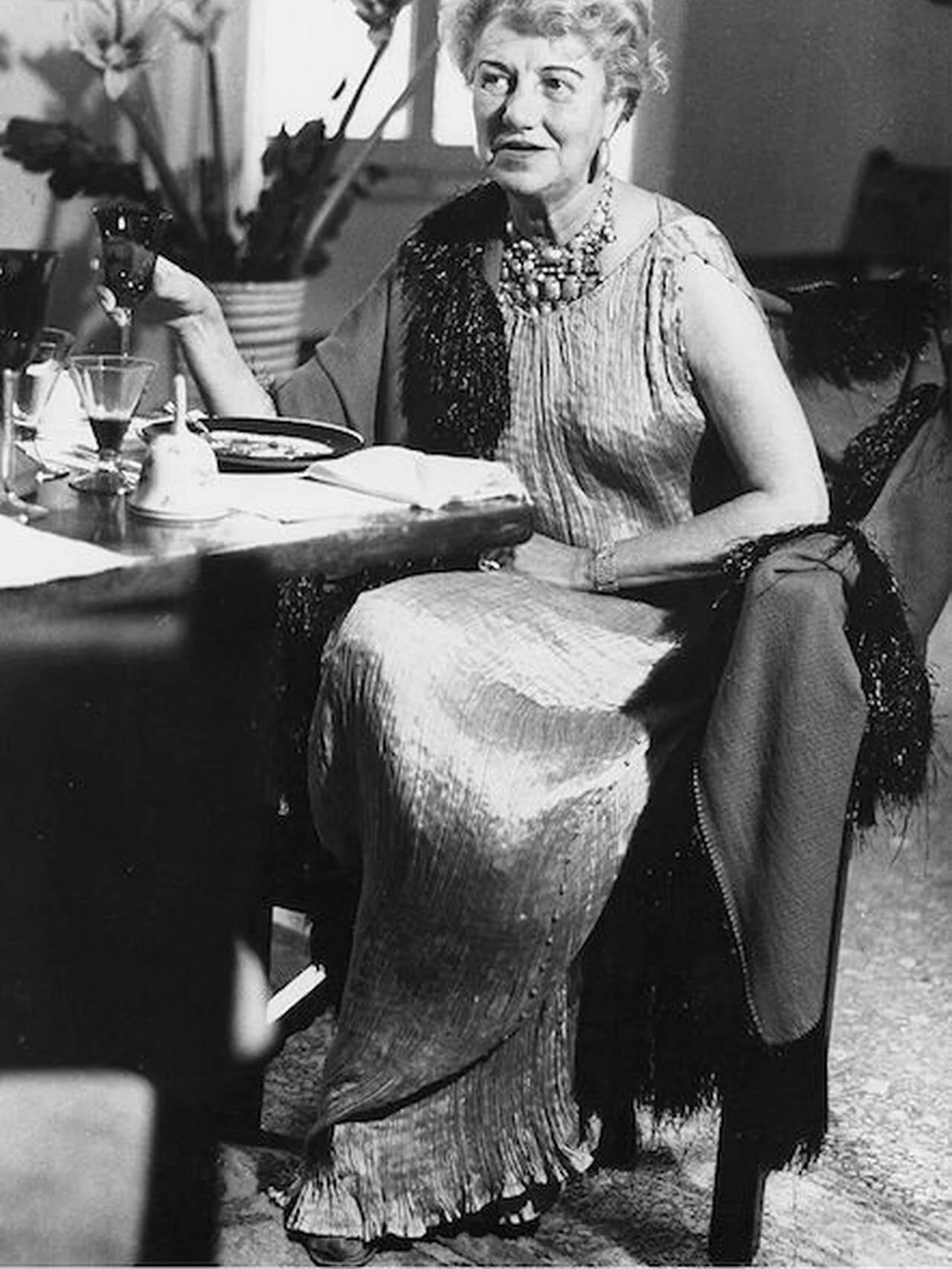
Peggy Guggenheim (wearing Fortuny!) dining in Venice c. 1950 | photographer unknown


A cocktail party at Peggy Guggenheim c. 1965 © Private Collection/Bridgeman Images

Peggy Guggenheim having breakfast in the Palazzo Venier dei Leoni, c. 1970 | Ray Wilson courtesy Peggy Guggenheim Collection, Venice

Rudolf Nureyev’s villa on Li Galli, an archipelago off the Amalfi Coast | photographer unknown

Rudolf Nureyev at home on Li Galli, circa the late 1980s | photographer unknown

Le Sirenuse, a boutique hotel in Positano that began as the summer home of the Sersale family, who transformed the property into a hotel in 1951.

The Pompeii Red walls of Le Sirenuse | image via Le Sirenuse Journal

For us, the answer was less about a formula and more about a feeling—it is elegant and effervescent at once, polished yet playful, and vibrating with life. Inspired, we set about building our Italian table. Here are its basic elements:
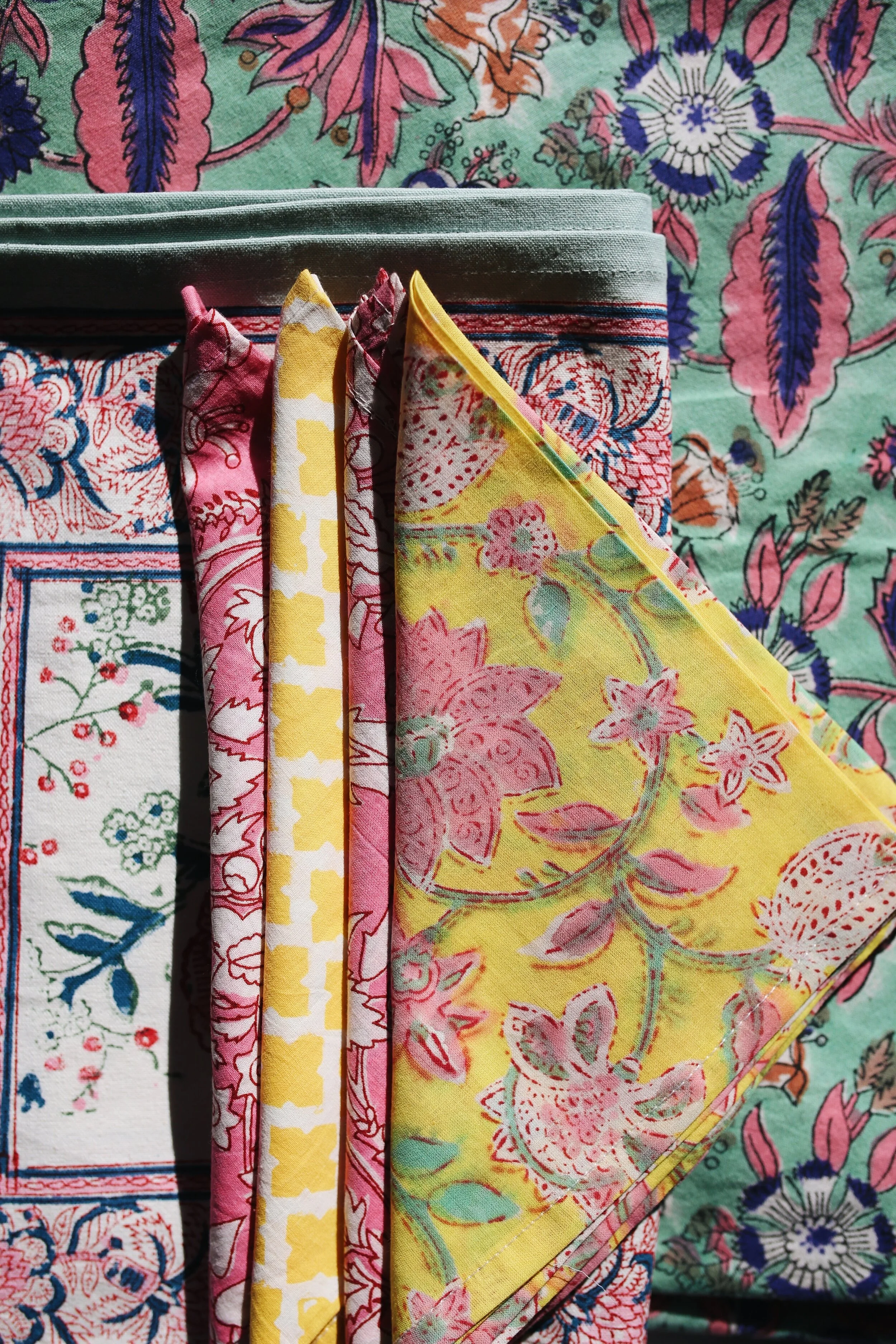
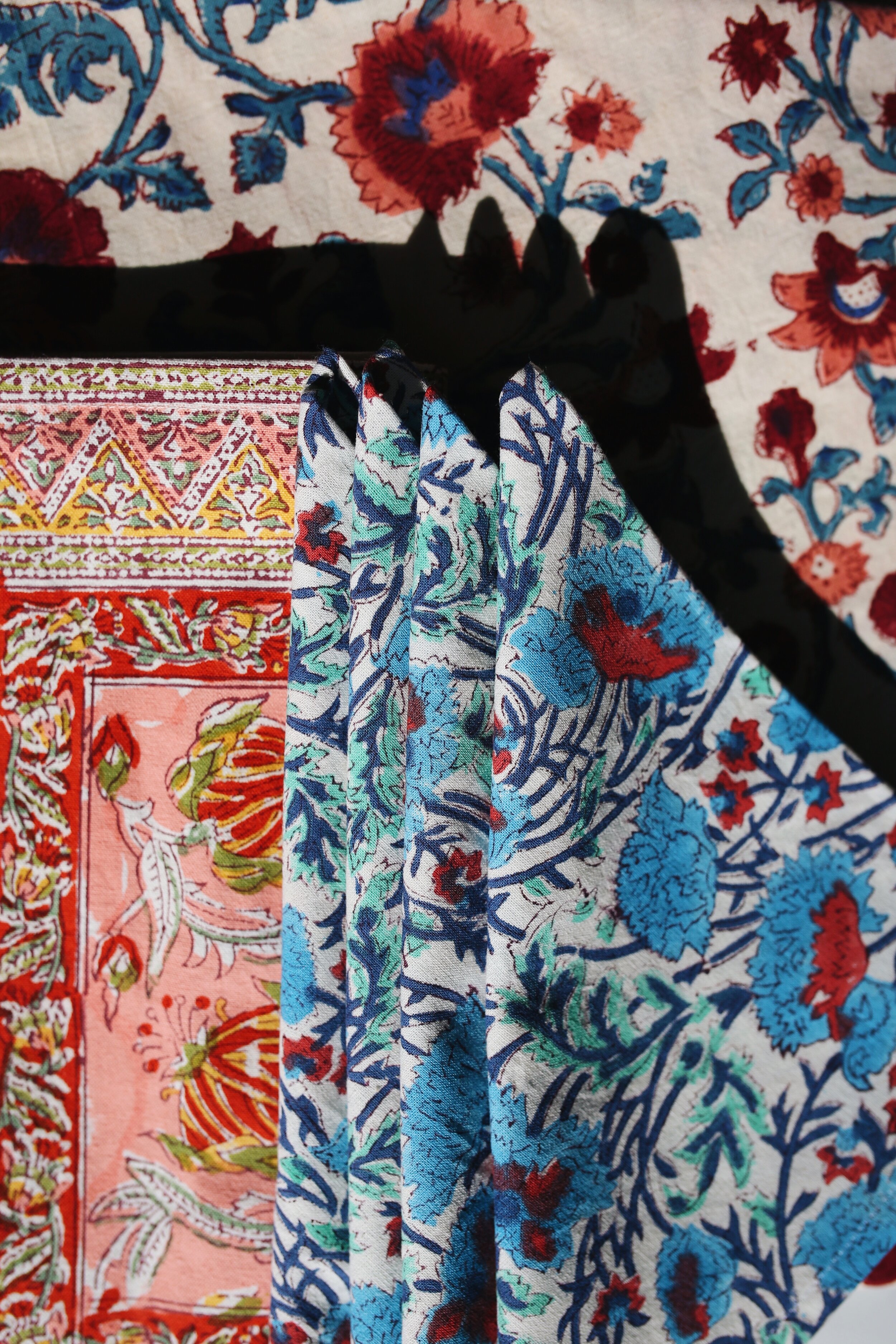
the linens | We begin with table linens in contrasting colors, patterns and prints. For the Italy collection, we selected hand block-printed linens made by an artisanal collective in Jaipur, India. Hand-block printing is an ancient tradition with a remarkable history of craftsmanship. That these pieces were brought to life by hand no doubt infuses our table with spirit. Sets are mismatched to spark a feeling of light-heartedness, spontaneity, and joy.
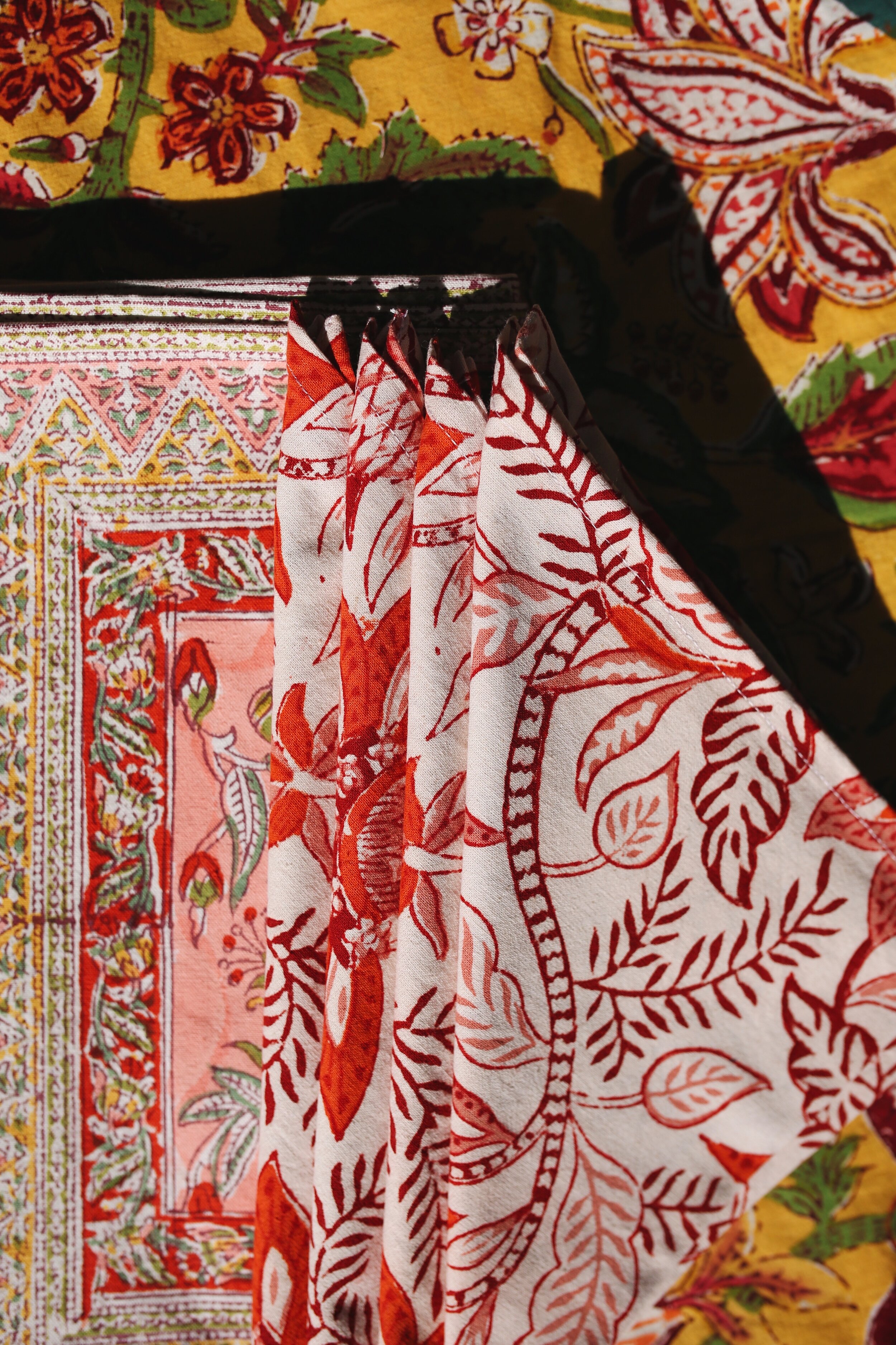
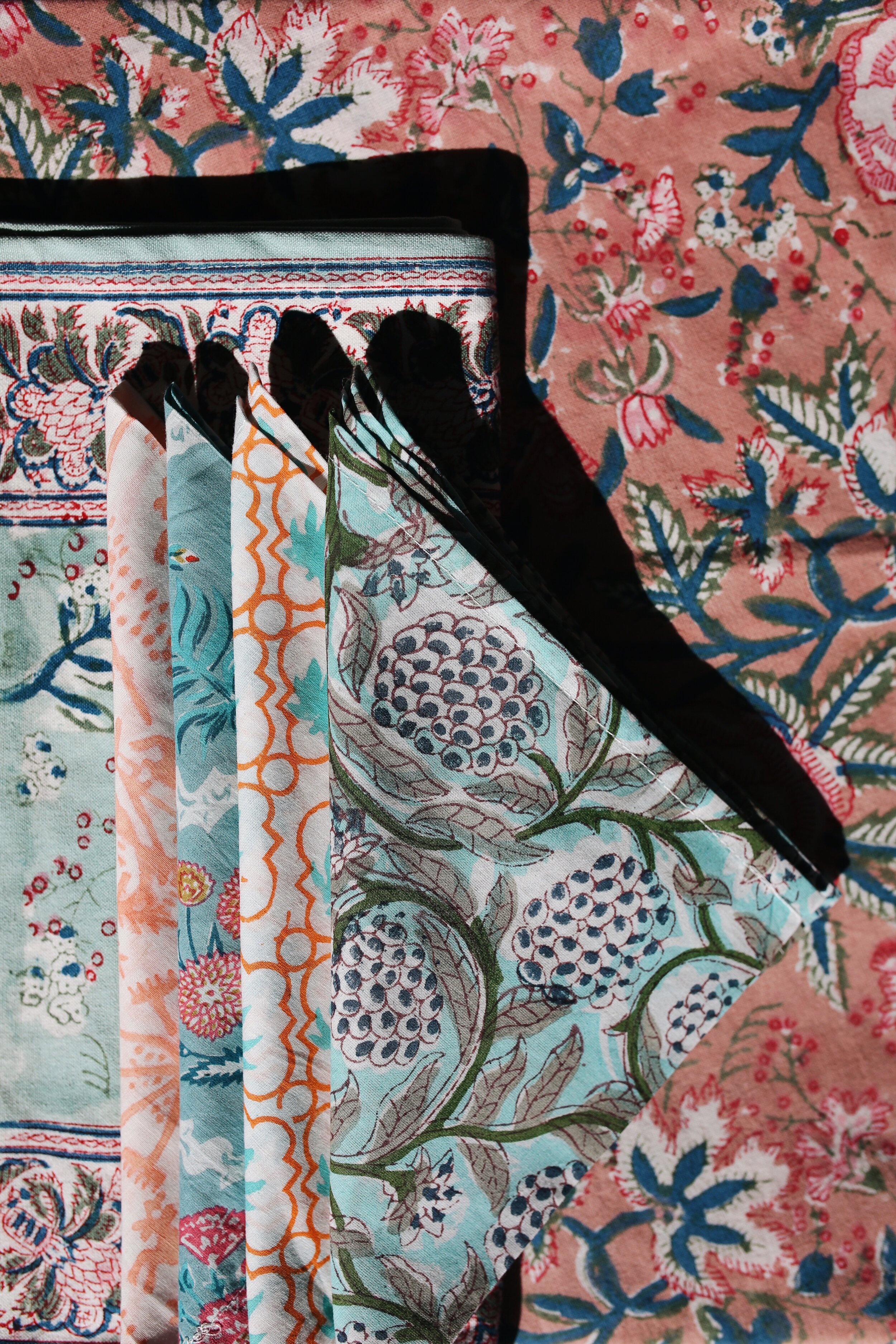
the plates | Next, the plates. Hand painted in Italy, these porcelain plates merge the traditional and the modern. Mermaids, birds, flowers and fish infuse the collection with whimsy. Manufactured by Bitossi Home in Montelupo Fiorentino, located near Florence in the Tuscan countryside.
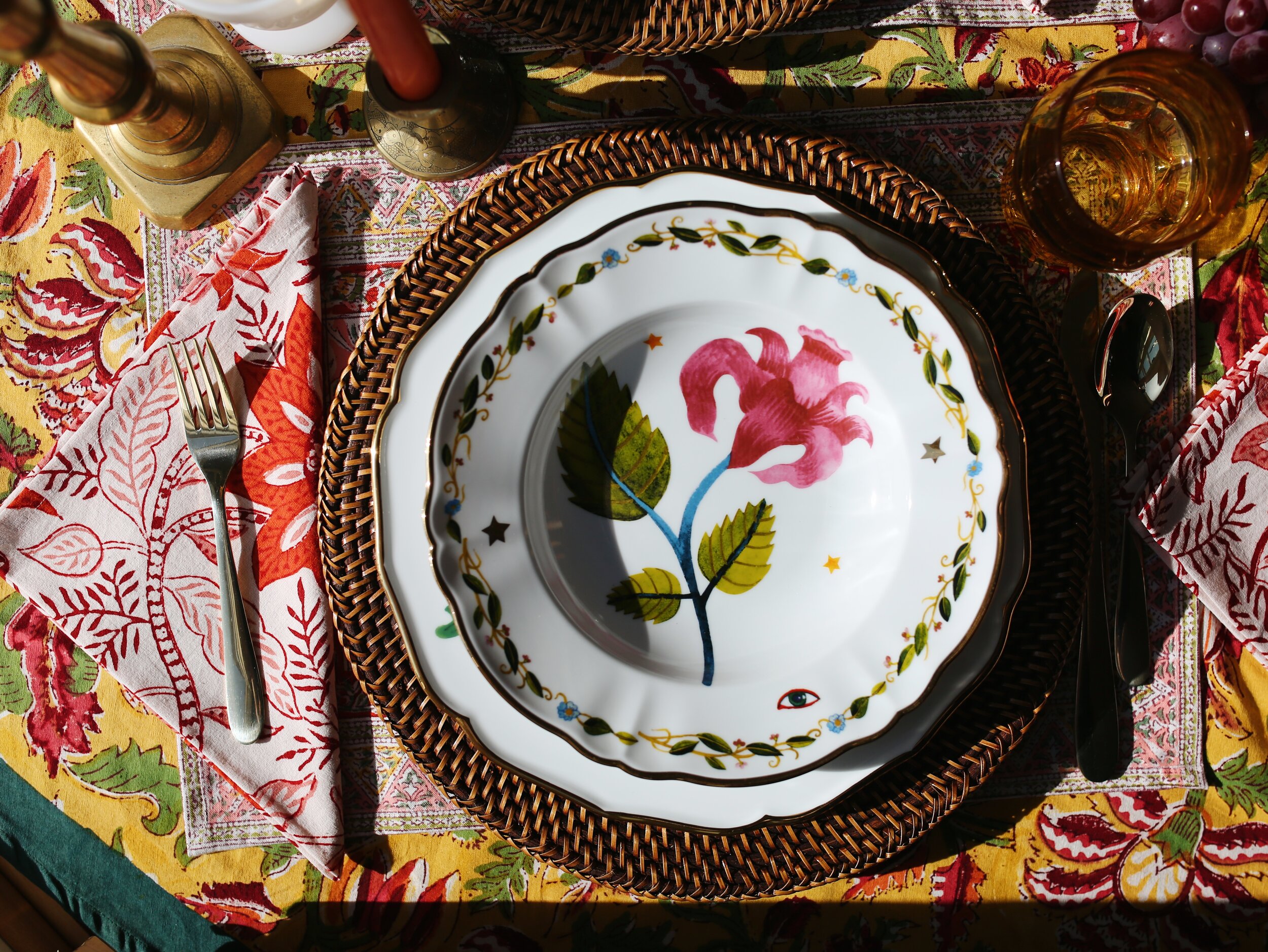
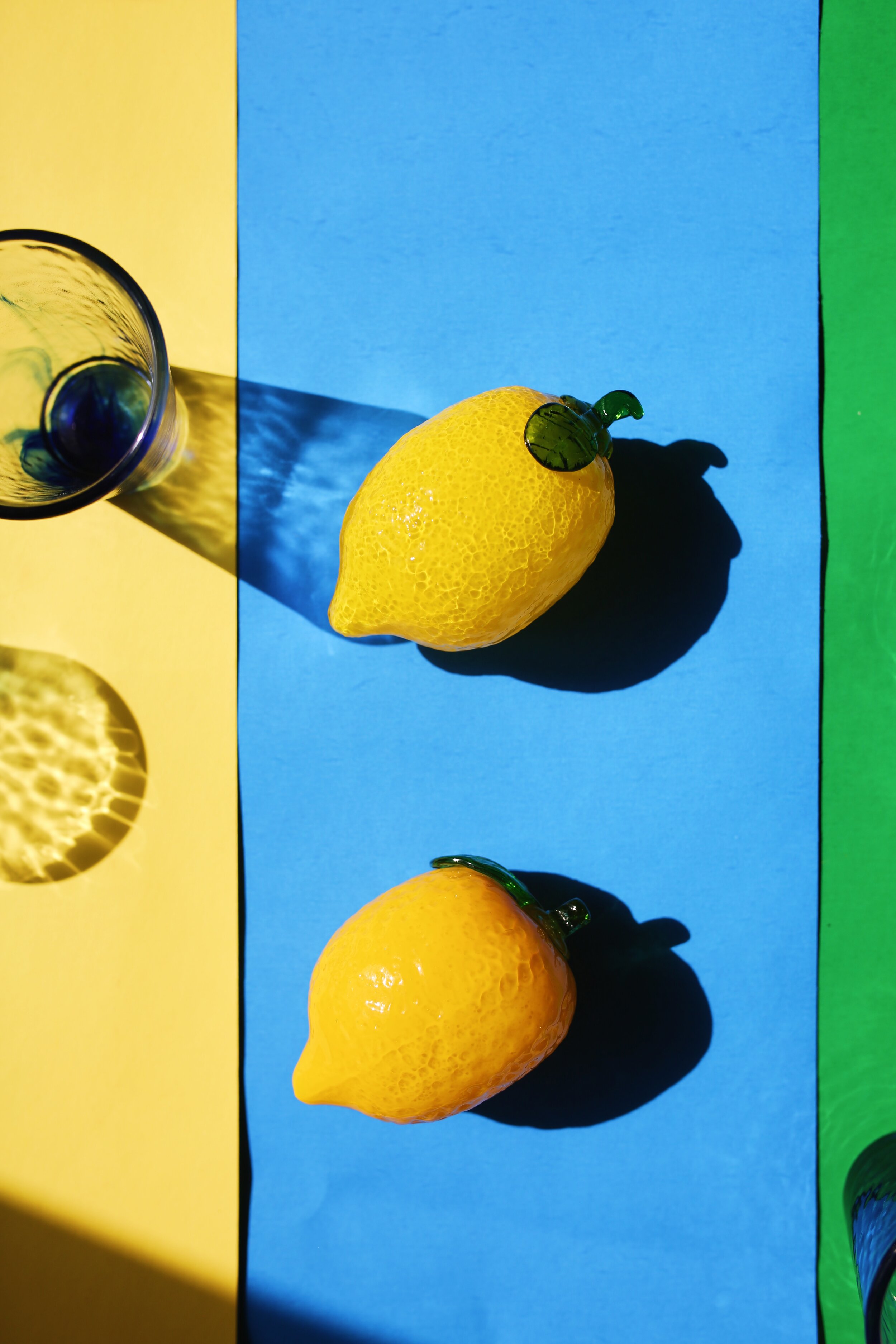
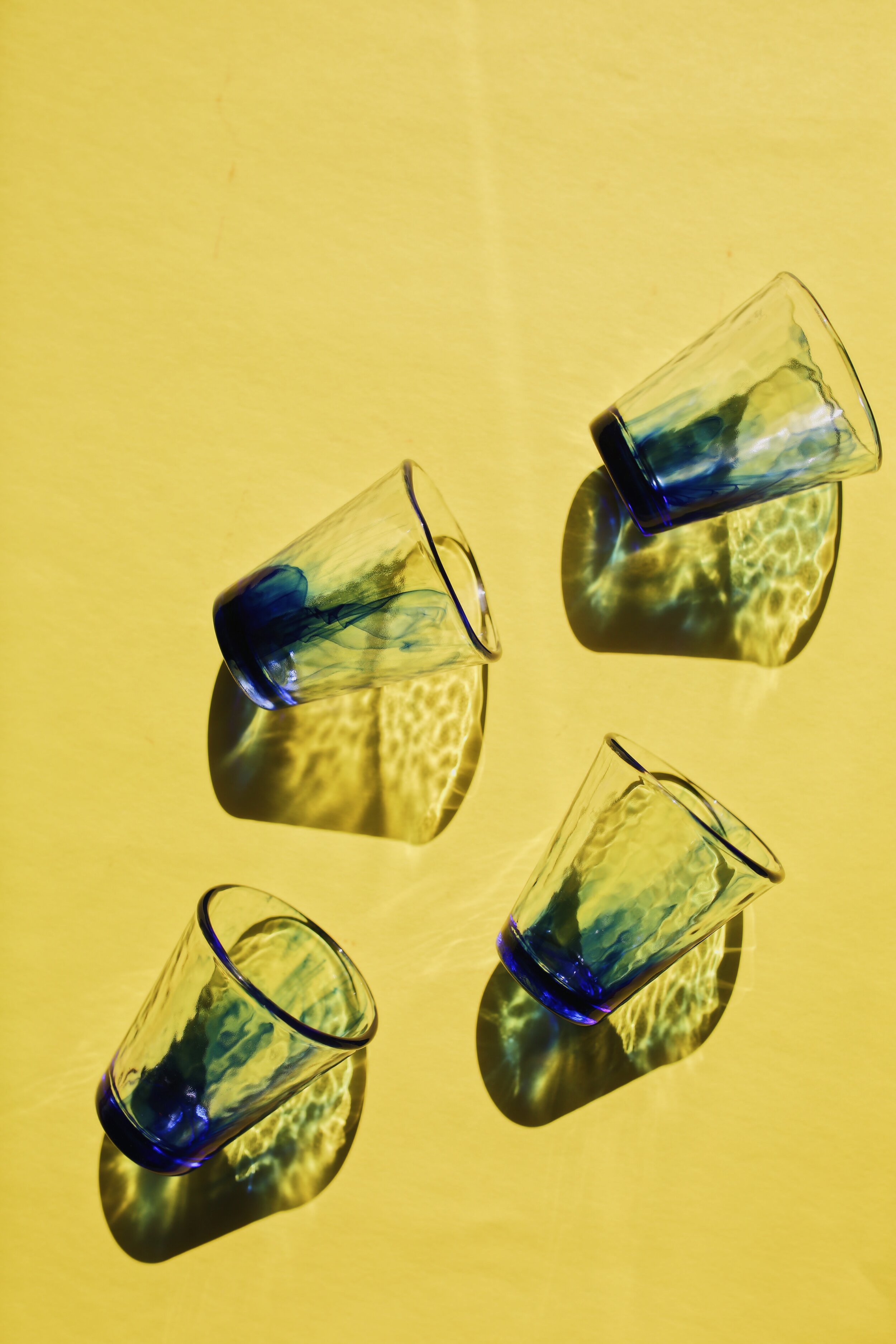
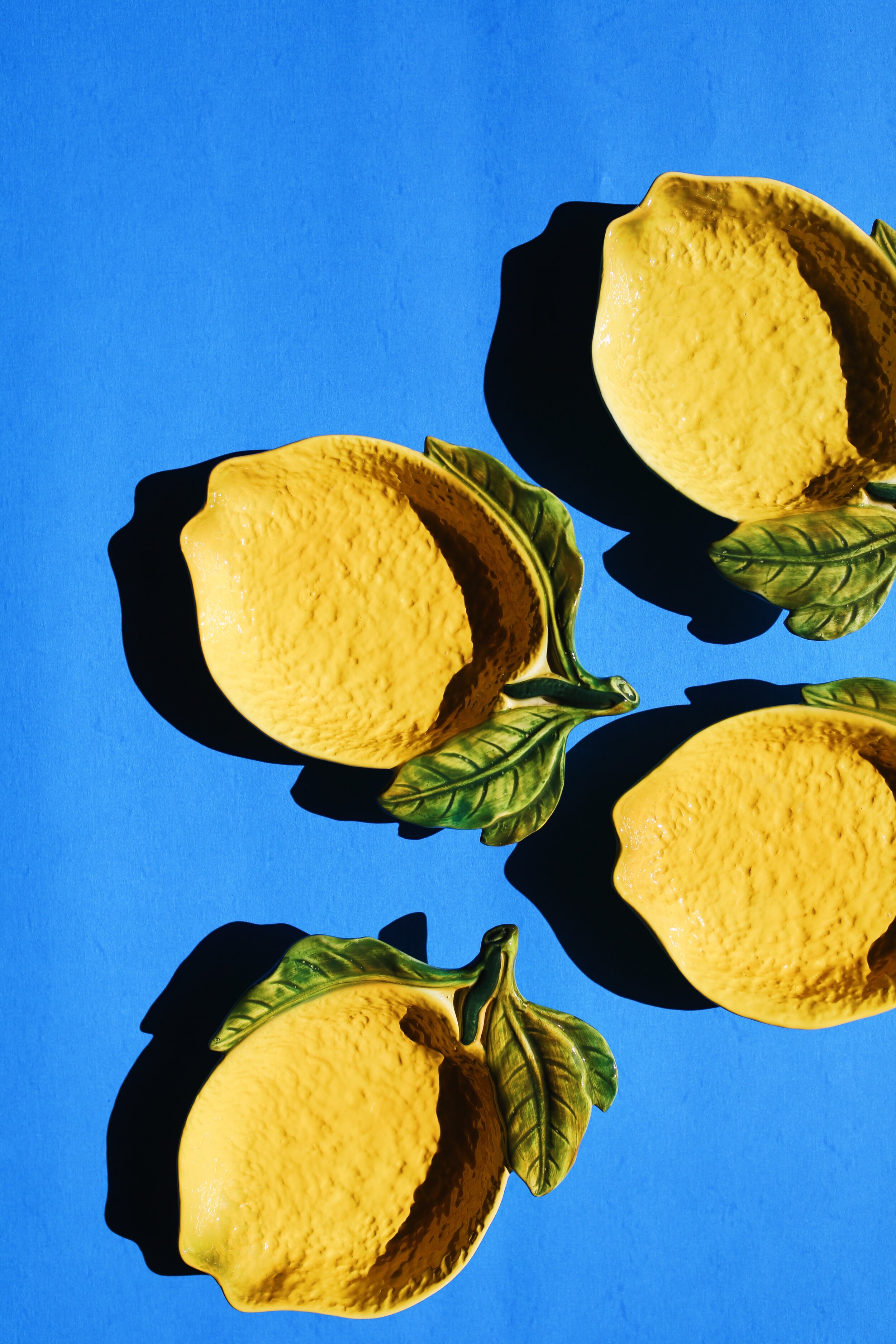
the decor | With festive table linens and plates in place, we turn to decor. Lemons, evocative of southern Italy, bring the feeling of long and luxurious summer dinners near the Italian seaside. We accented our tablescape with vintage lemon plates and glass lemons. Yellow and blue drinking glasses further the table’s colorful visual appeal. And last but perhaps most importantly—candles, whose luminous presence and warm glow will cast a spell over the entire table. To bring even more life to the table, we could have included fruits, vegetables and flowers. Artichokes or delicate white flowers such as baby’s breath would have added a lovely organic dimension to our green, white, and yellow spread.
cena | dinner time
“A tavola non si invecchia.”

Dinner on a terrace in Capri, 1980 | Slim Aarons
With the table set, we move to the food. An Italian dinner proceeds in a traditional format of courses, which unfold gradually, allowing for ample time to soak up company and conversation. The history of Italian courses traces back to Ancient Rome, where dinner took place in three stages—the gustatio, or appetizer, usually a variety of egg dish; the primae minsae, the main course often consisting of meat; and the secundae mensae, the dessert, fruit, nuts, or baked sweets. All these centuries later, the Italian meal follows a similar format.

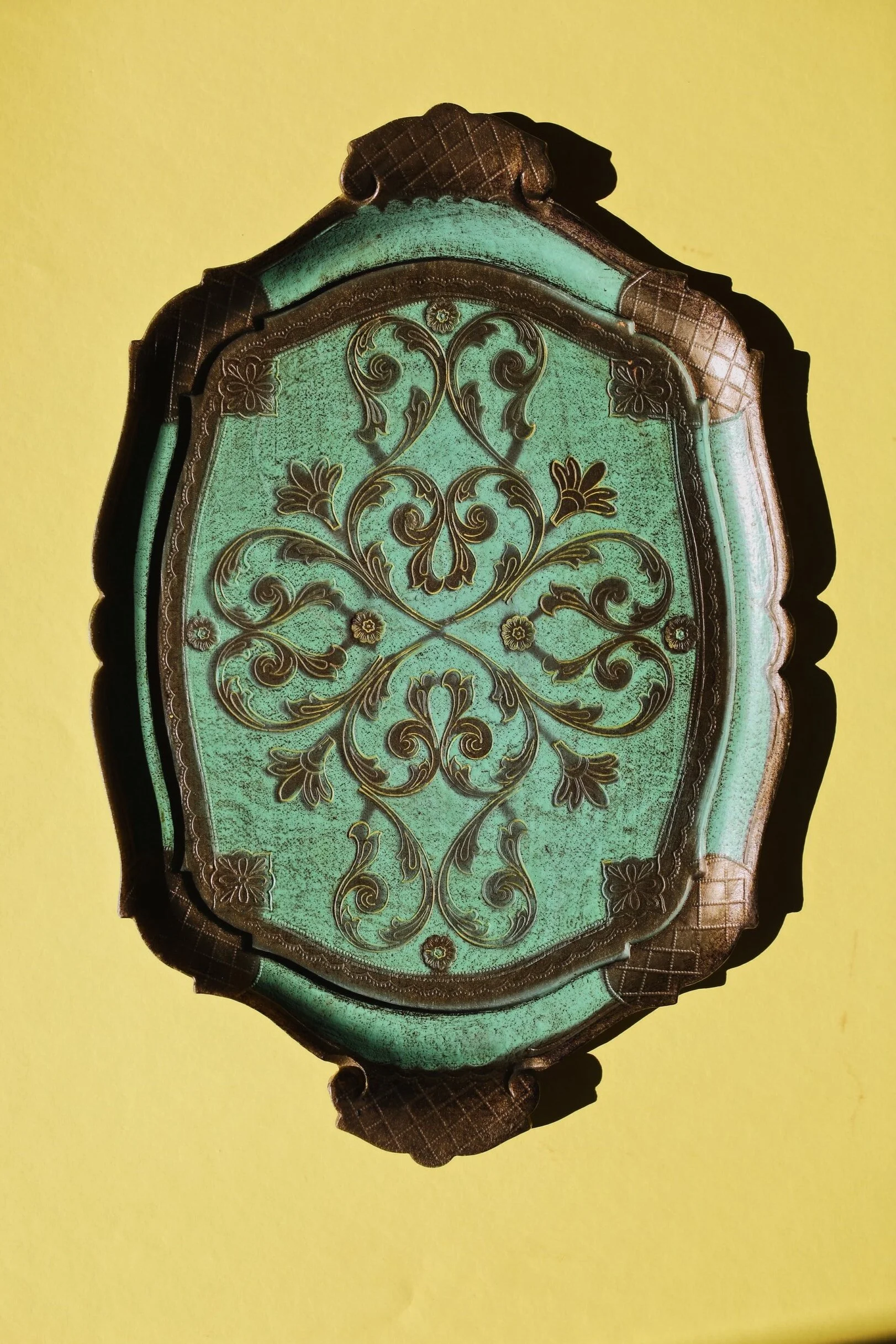
Essential items for a dinner party. A serving tray, barware, and an enchanting Italian cookbook.
aperitivo | The first stage of the evening is the aperitivo, is an informal opener to the night where guests stand and mingle while people stream in. The aperitivo is a drink and a small bite of food, perhaps olives, cheese or nuts, nothing heavier.
antipasti | Once all of the guests have arrived, everyone is seated at the table for antipasti, which translates to before the meal. This usually cold course is heavier than the aperitivo but not yet dinner—salumi and cheese, sandwiches, smoked salmon and shrimp cocktail.
primi | Next, the first main dinner course. Primi piatti are warm dishes, including pasta, risotto, polenta or soup. This non-meat course provides a natural progression from cold, lighter fare to the heaviest portion of the meal, coming next.
secondi | Secondi piatti, the second main course, is the most substantial of the meal. Here, meat, chicken, and fish are served.
contorni | Customarily served alongside secondi are contorni, side dishes featuring vegetables, served both raw and cooked, as well as salad, which might be served with the cotorni or afterwards.
dolci| With the main course complete, dolci, or sweets, come next.
digestivi e caffè | The final course involves digestivi, after-dinner drinks. The very last element of the evening is caffè—a shot of espresso with no milk, which is considered bad form after a meal.
For our travels to Italy, we’re offering a few specials for your Italian dinner party. For the antipasto course, we are assembling Italian salumi boards and baking garden focaccia. And for the dolci, a dark rum tiramisu cake. We’re also selling an Italian cookbook for the courses in between—Old World Italian by Mimi Thorisson which takes a tour through the dishes at the heart of Italian culture and is a delight for the senses.


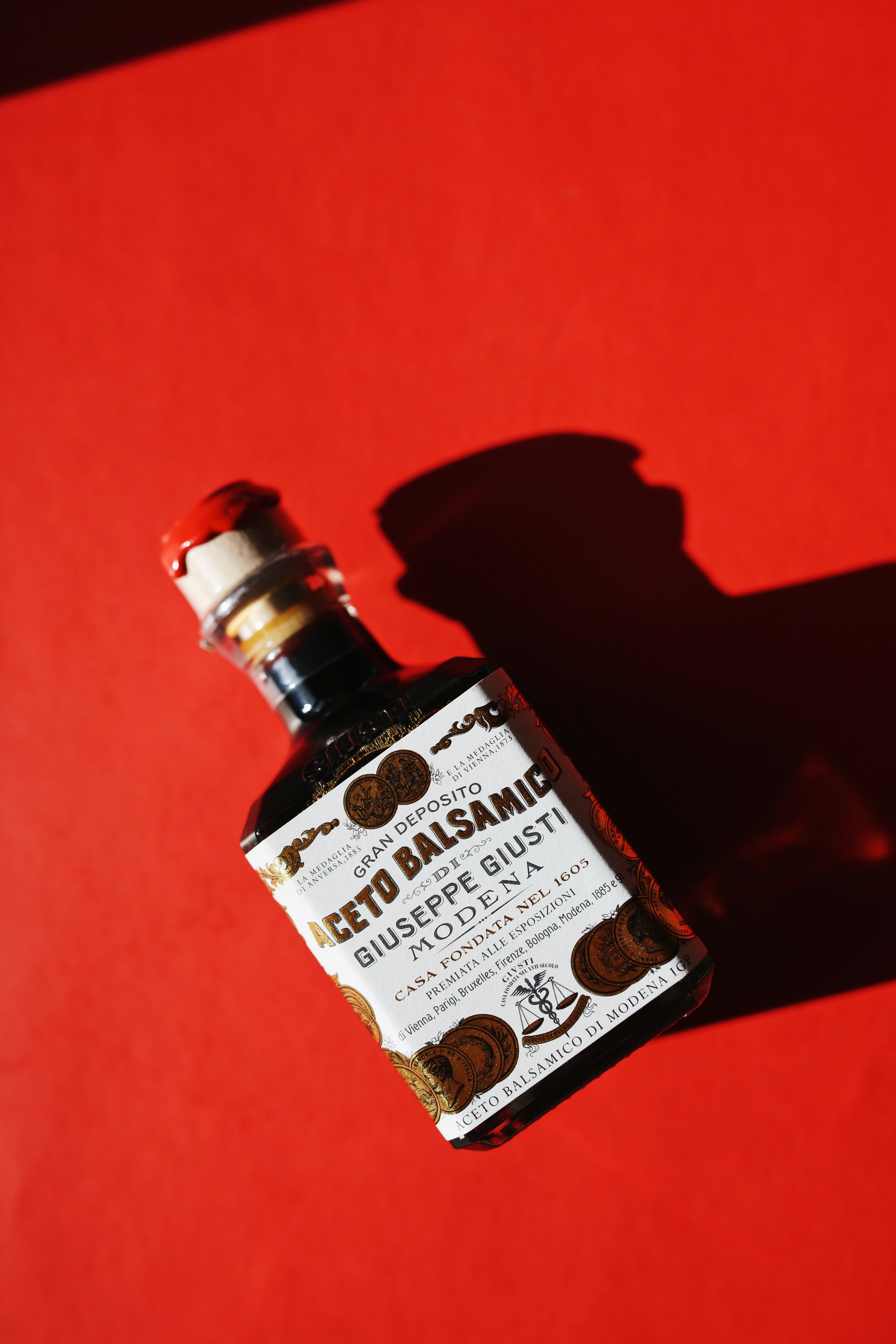
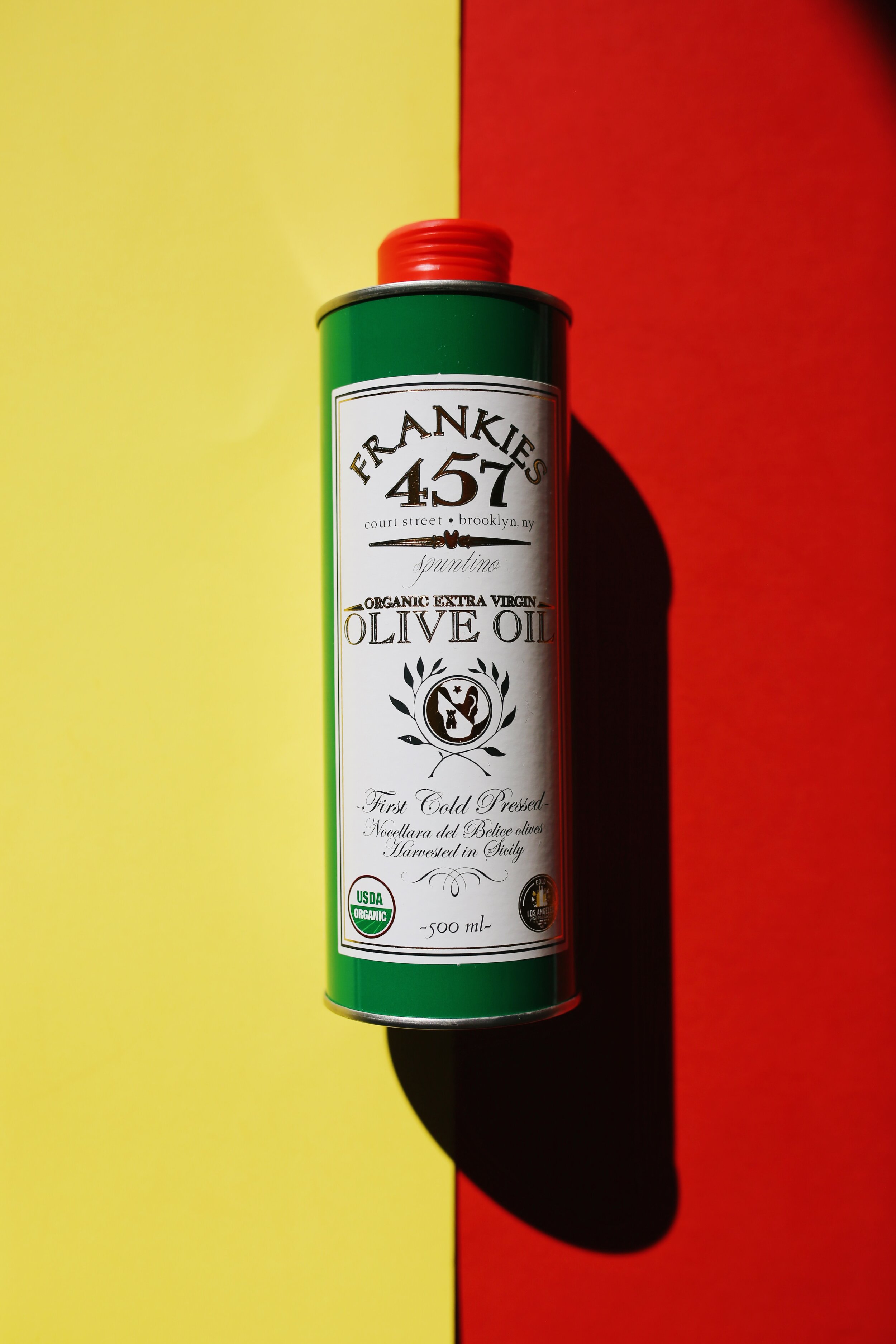
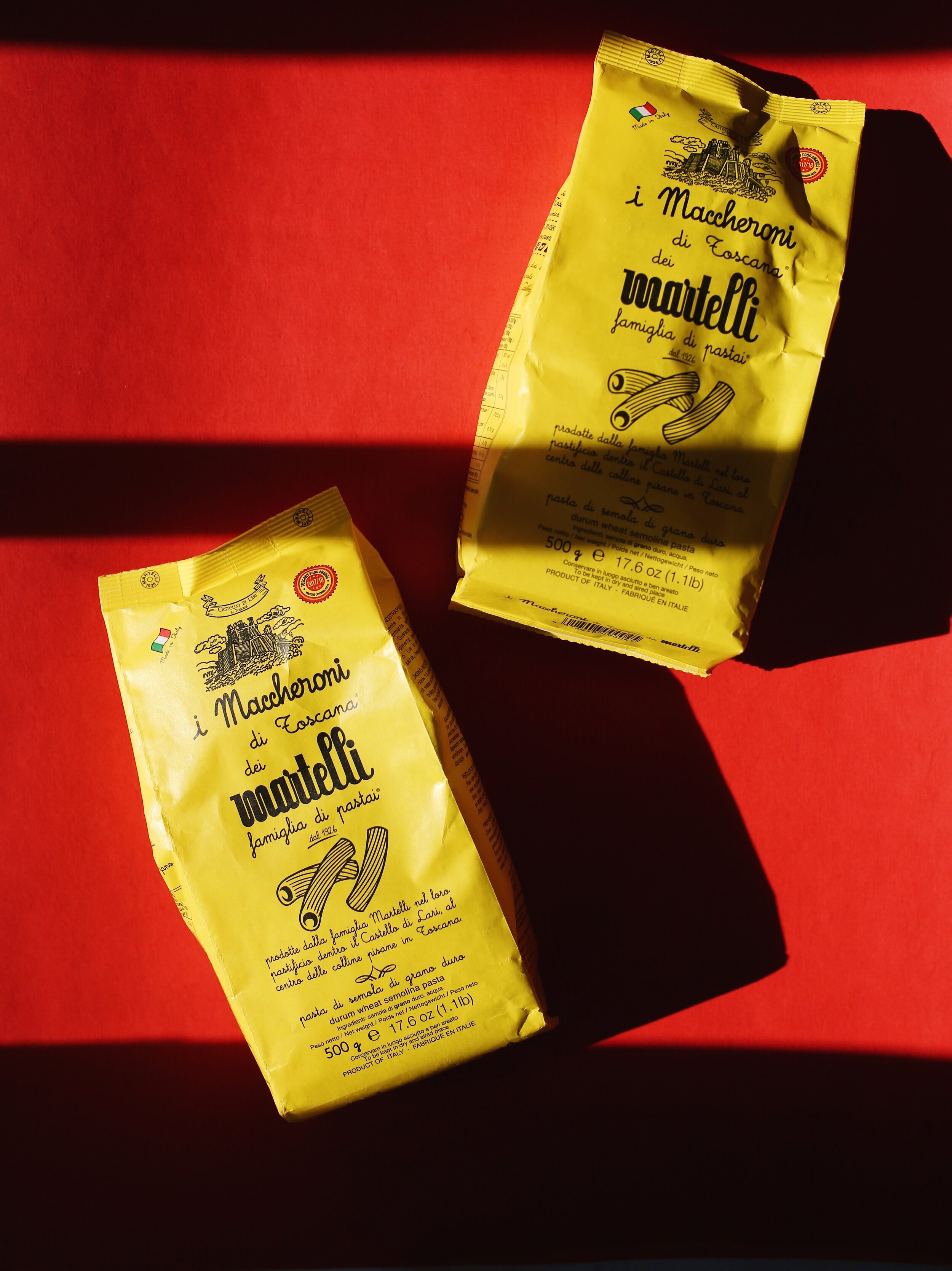
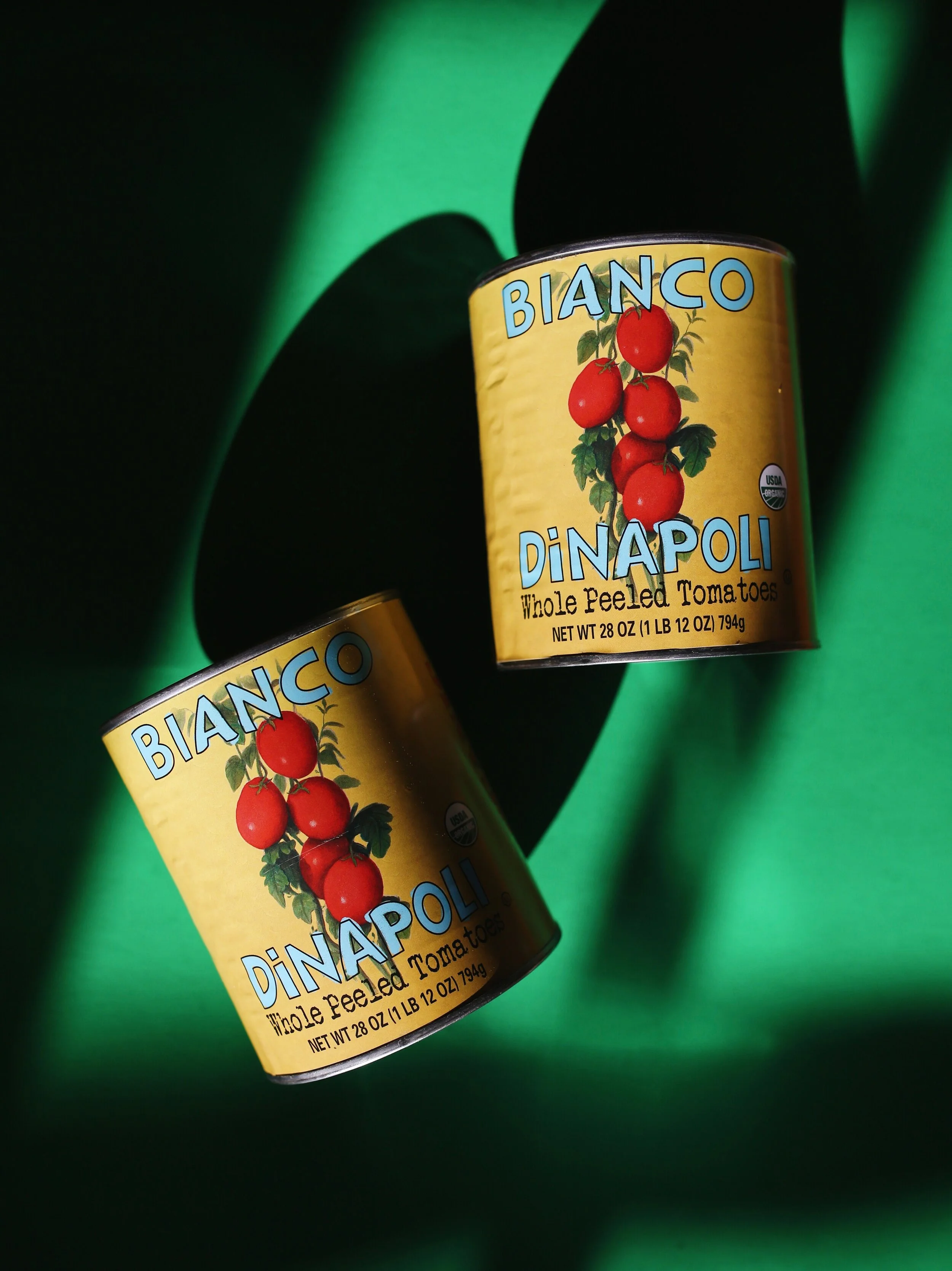
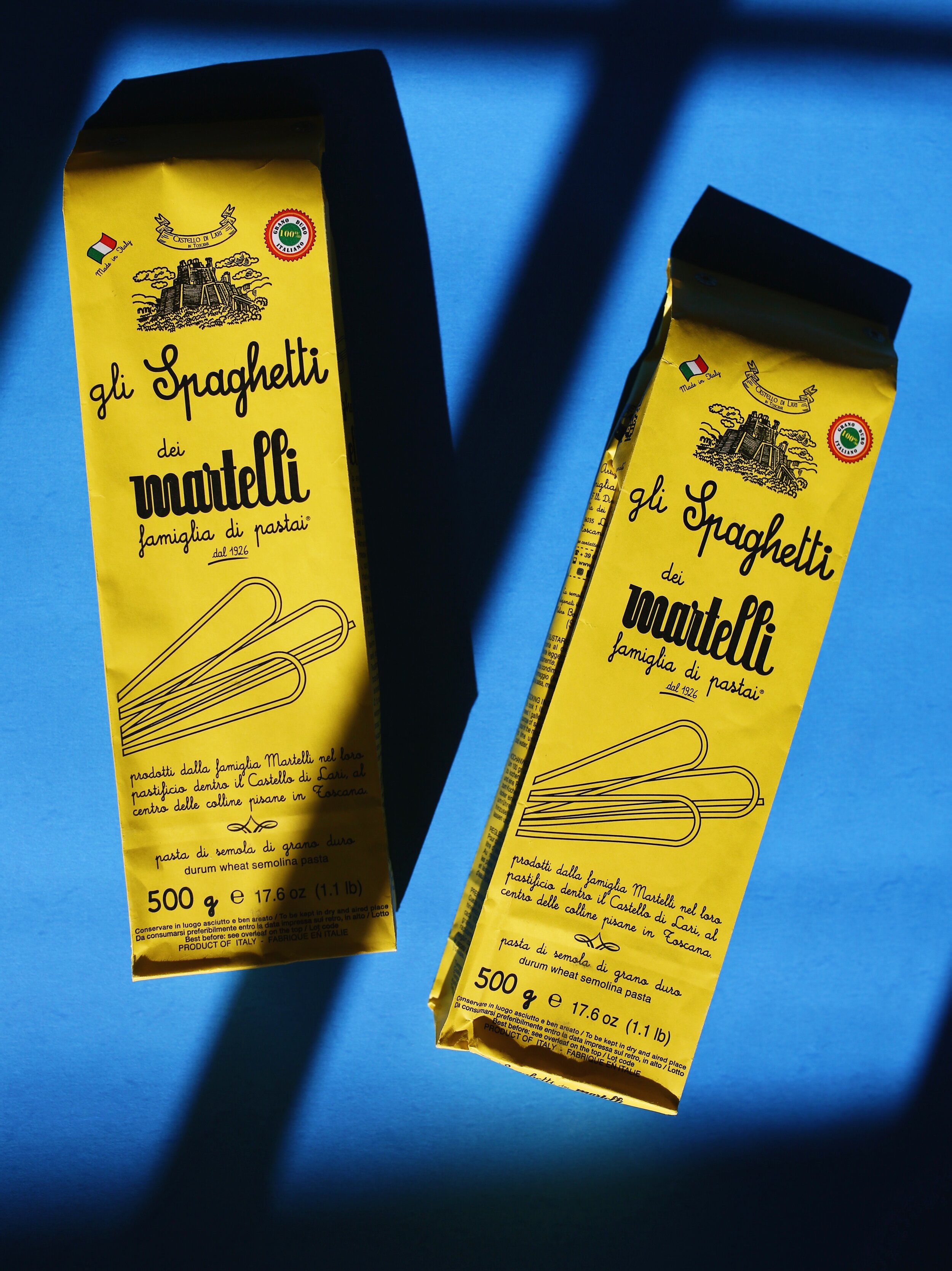
Additionally, our e-shop is stocked with olive oil, balsamic vinegar, pasta, and tomato sauce to bring an authentic element to the food you choose to cook for your Italian affair.
bevande | drinks

Our vintage Italian barware and a page from Mimi Thorisson’s cookbook
Drinks at the Italian dinner come in three categories: aperitivi, served before the meal, digestivi, served after the meal, and wine, served with the meal. The aperitivo is a cultural institution in Italy that transcends the act of drinking and speaks instead to the Italian state of mind about deliberate and joyful living. There is ritual in it—a carving out of time before the shared experience of a meal to celebrate and anticipate the event to come. A traditional Italian aperitivo begins around 7pm and ends around 9pm, with the start of dinner. Popular aperitivi include drinks lower in alcohol content: Prosecco (Italian sparkling wine originating from Veneto), Aperol spritz (Prosecco, Aperol and soda water), Bellini (Prosecco and peach puree), and of course the Negroni (equal parts gin, sweet vermouth, and Campari), Italy’s most famous cocktail. Digestivi have the opposite effect, meant to aid in digestion and close the evening. Usually higher in alcohol content, digestivi include amaro, grappa, and limoncello.
With the meal, wine is served. Wine is a deeply rooted aspect of Italian culture, and is produced in every region of Italy from the North to the South. The Greeks and Etruscans cultivated Italy’s first grapes thousands of years ago, but by the 2nd century, the Romans themselves were excelling at viticulture. As a general rule of thumb, Italian wine pairings proceed as follows. Primi piatti, like pasta and risotto are paired with a dry white wine. Secondi piatti are paired with a red wine, with the exception of fish, which is paired with a white. Poultry and lighter meat dishes pair with a lighter red wine, while heavier dishes like roasts pair with a more full-bodied wine.
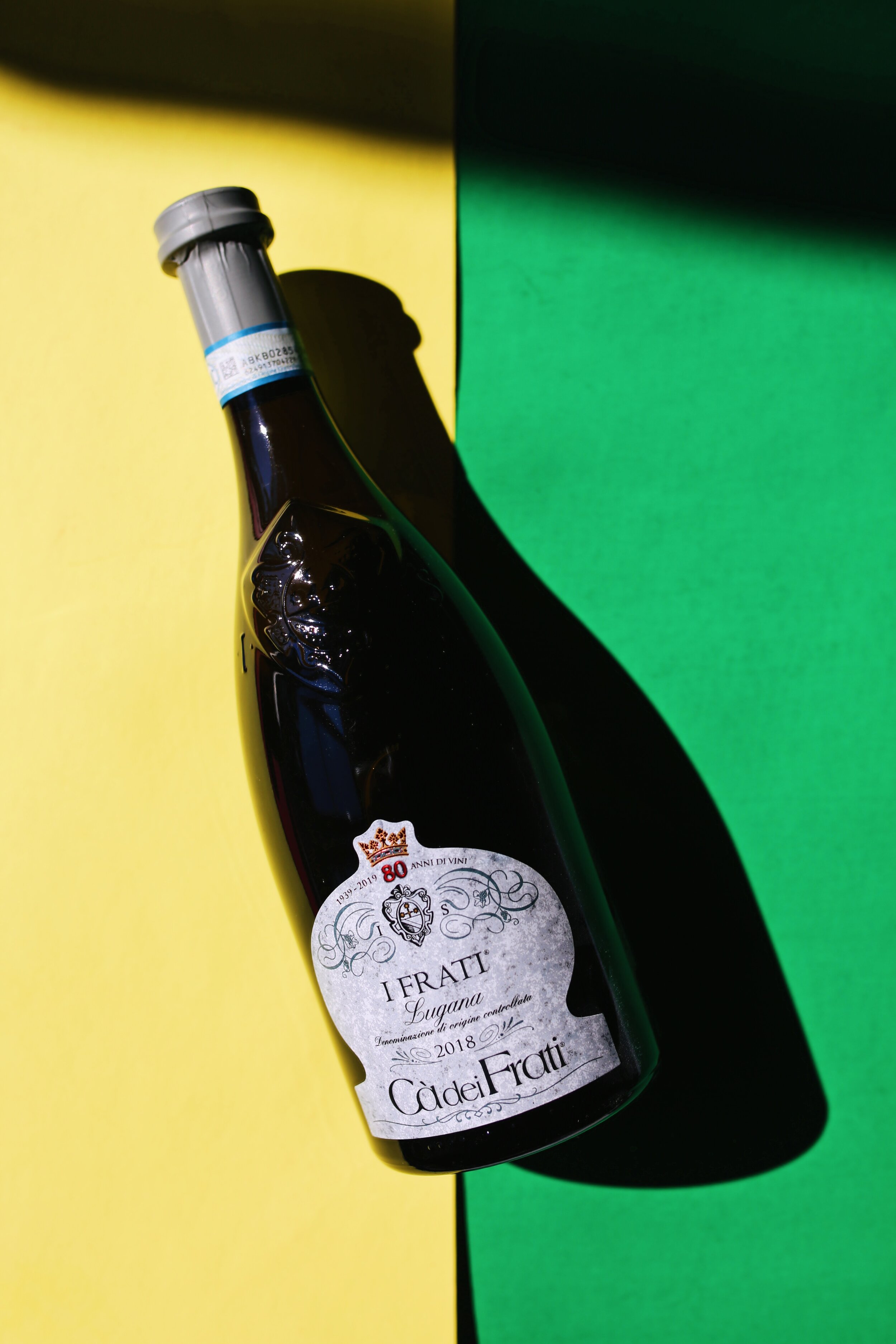
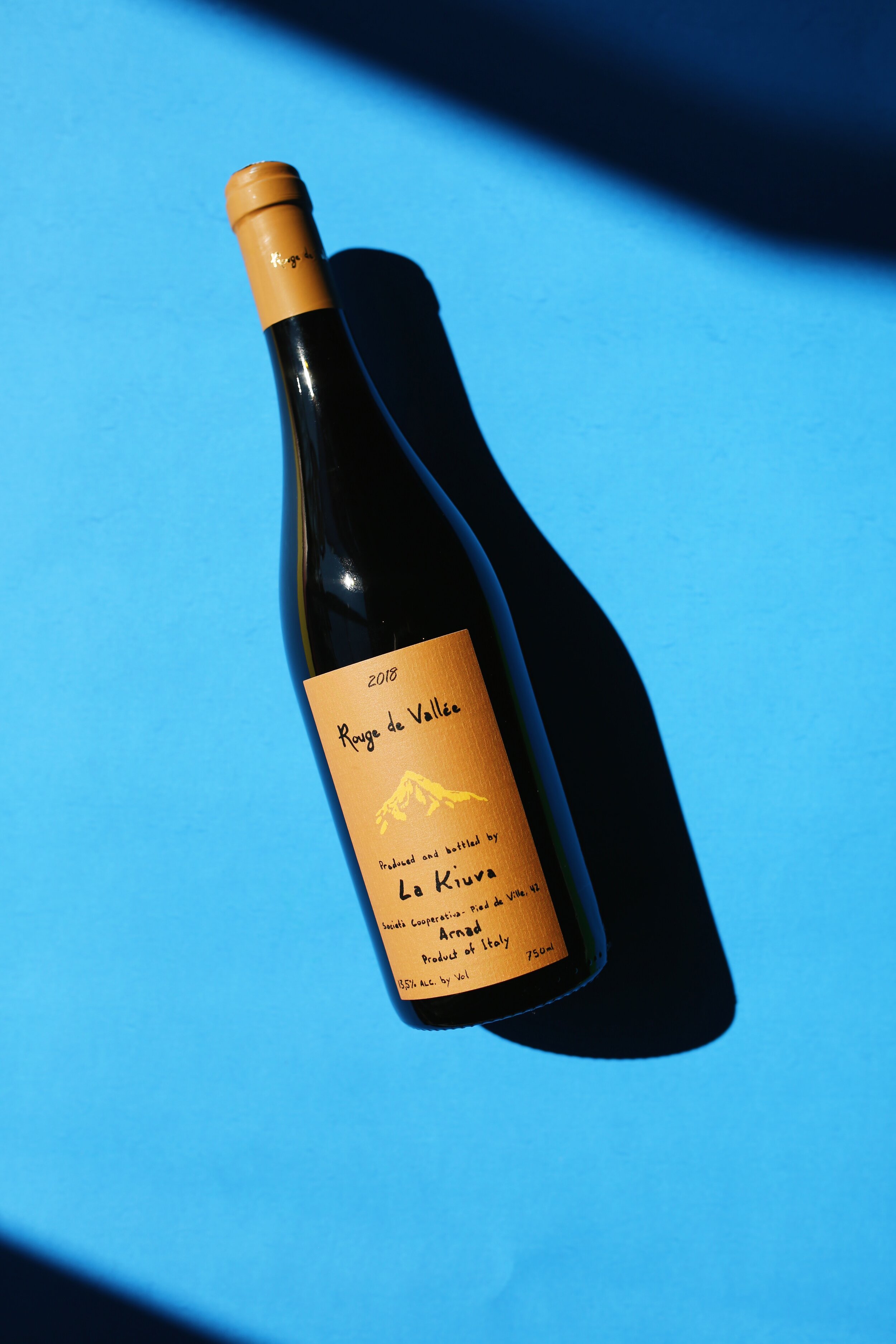
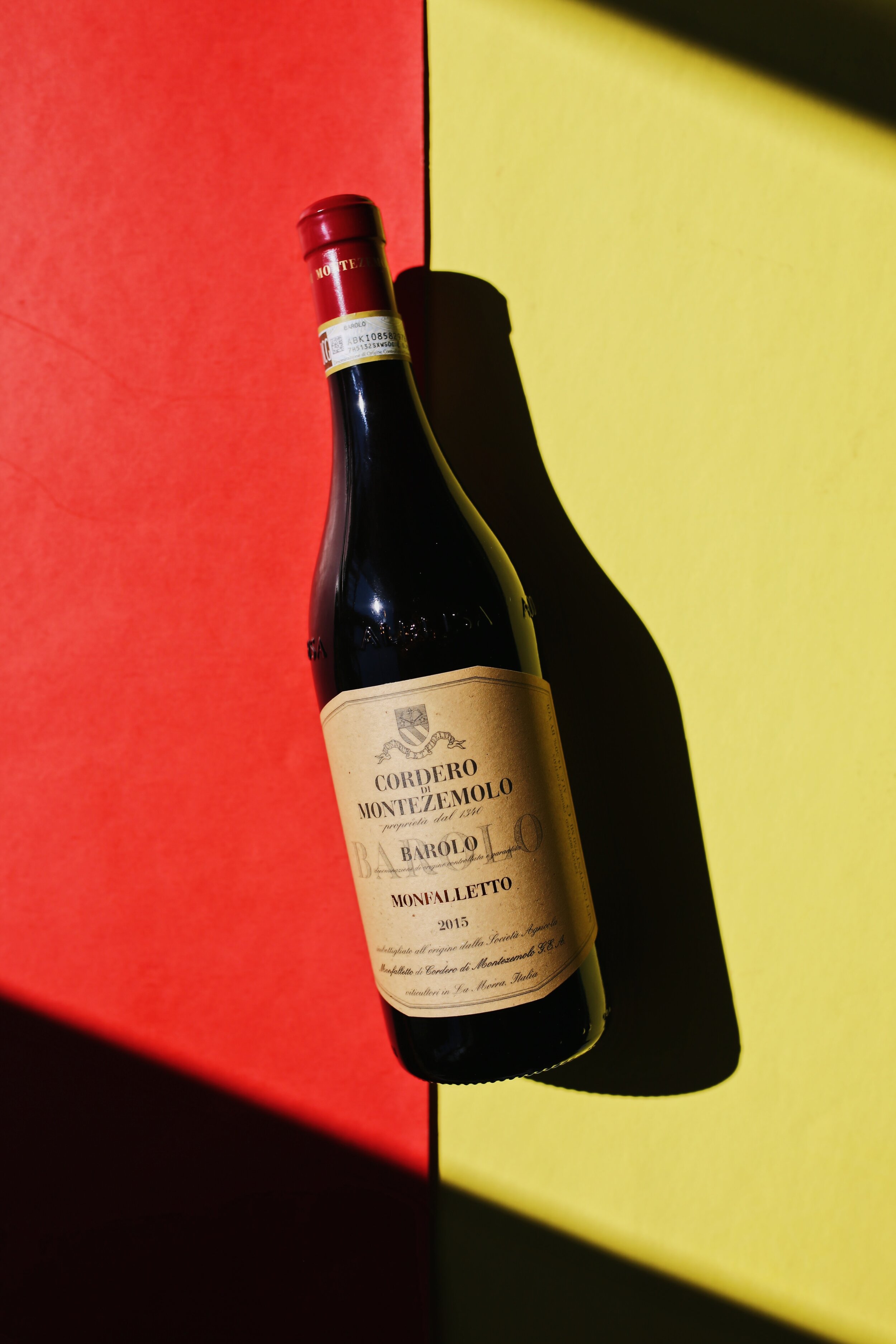
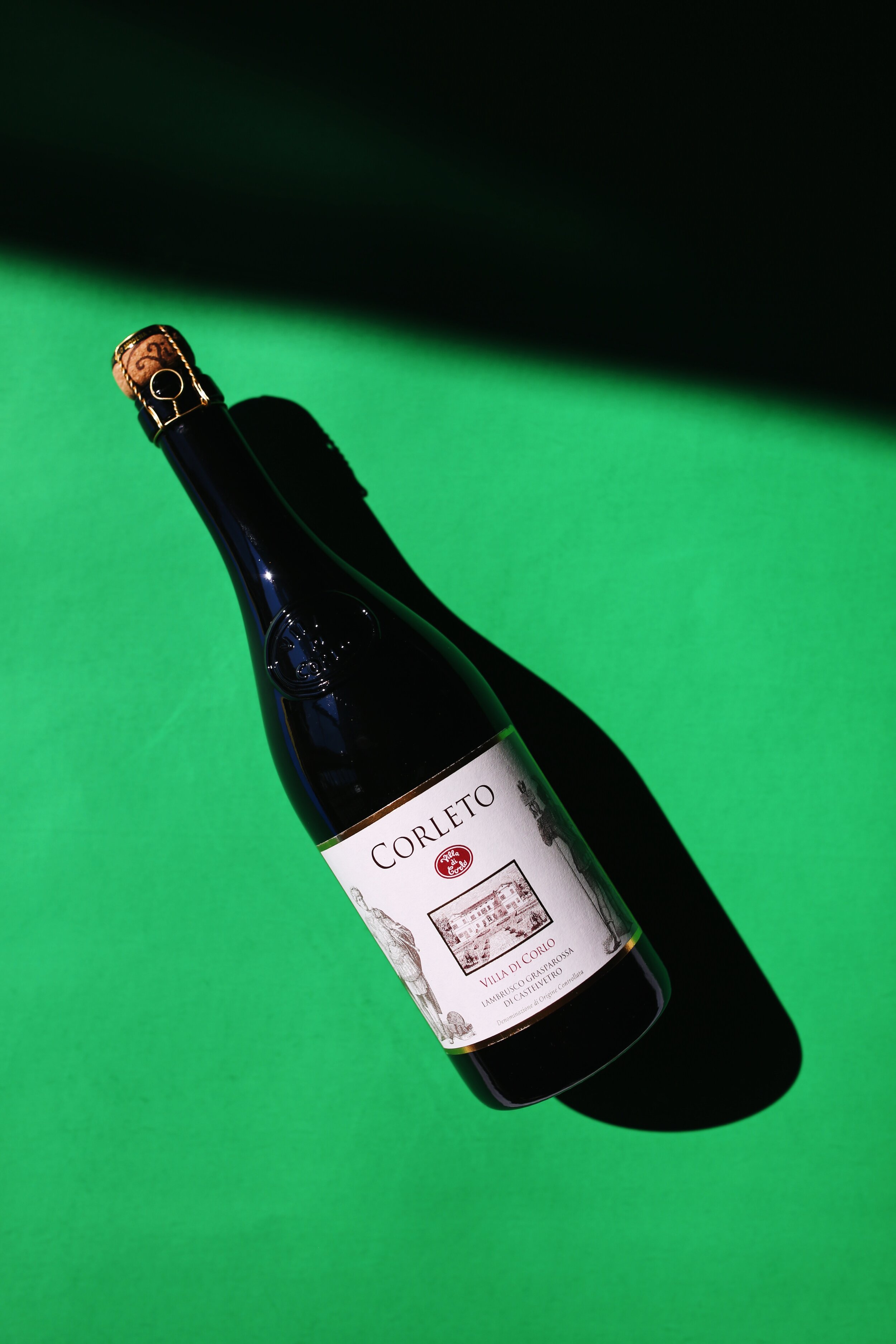
For our travels to Italy, we selected four wines, each from a different region—Piedmont, Lombardy, Modena, and the Aosta Valley bordering the Alps. You can learn more about our wines here.
la scena | setting the scene
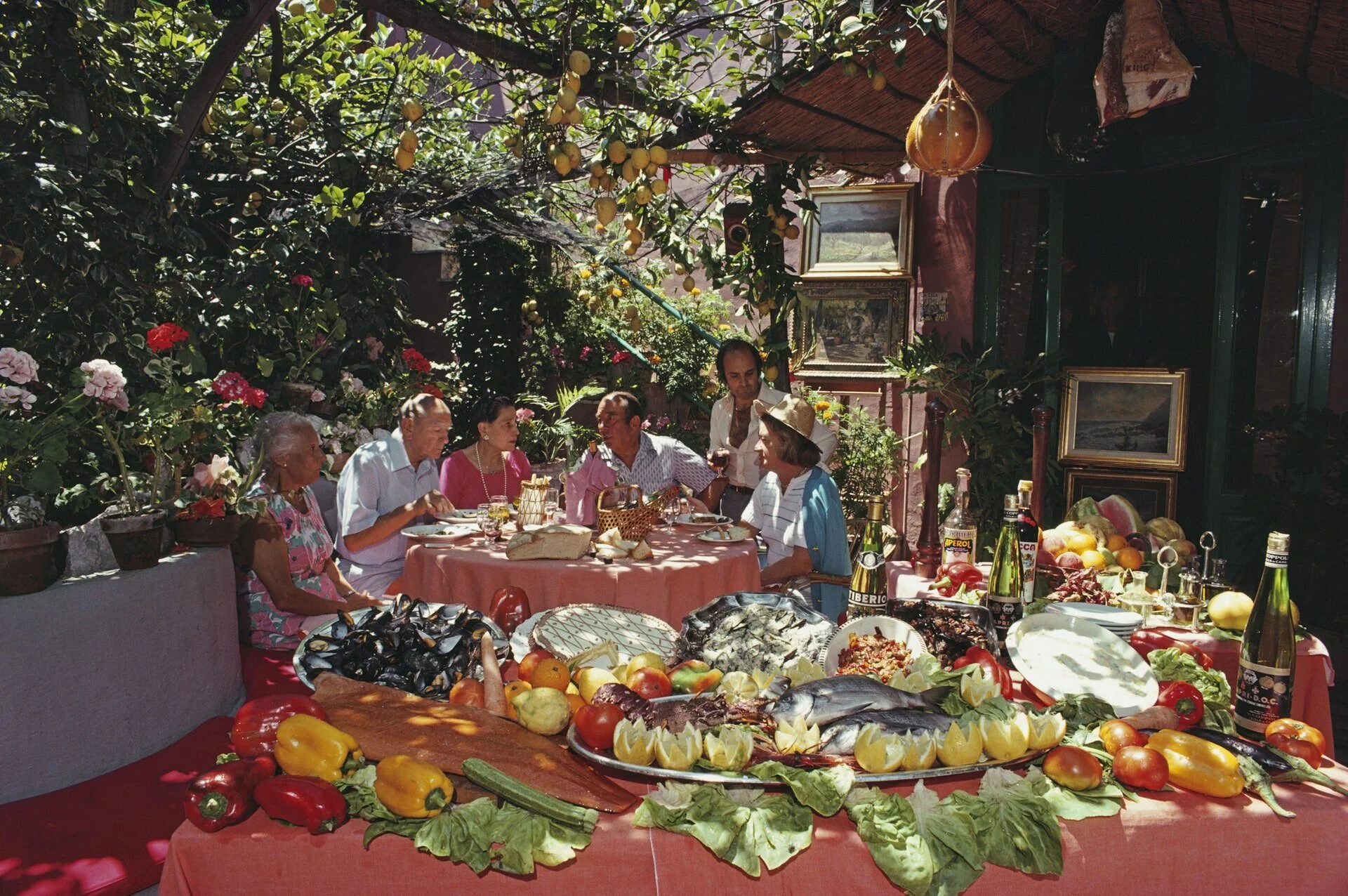
Summer lunch La Pigna in Capri, August 1980 | Slim Aarons
The table is set, the dinner and drinks have been sorted, the final step is to set the scene. Since the earliest days of the Ancient Roman banquet, two things have provided depth and life to the Italian dinner party—table conversation, convivium, and music, which in the form of flute and lyre performances, among others. Dinner conversation is considered as important as the meal itself, as it helps guests to meaningfully connect with one another over the shared experience of food. Conversation takes place during dinner but also after the meal has finished, when it is customary for guests to linger and continue chatting.
Similarly, music is essential to setting the mood for a dinner party. We created an Elephantine Italy playlist on Spotify to bring the sounds of la dolce vita to your Italian evening.

Roman Banquet Scene, 1876 | Pierre Olivier Joseph Coomans
elephantine x italy spotify playlist
Despite the role that sights, smells, tastes, and sounds play in the Italian dinner party, the most important ingredients for a truly memorable evening are not discerned by the senses but felt. The things about Italy that are most transcendent—making time for celebration in a world that is incessantly rushing, clinging to rituals that moor us to culture and community, savoring the smallest of life’s moments—these things are an attitude, a spirit. They’re the starting point for a brilliant dinner party, and the life that envelops it.

Li Galli, date unknown | photo via @placesilove

Enchanted Things to Experience in the French Capital

a dream visit to paris
Week two of our tour of France brings us to Paris. A place whose particular wonder is difficult to capture in words. Perhaps Paris is better left to the realm of feeling.
In the Paris of our dreams, time stands still. Travel is glamorous. Tourism is cultural. Time is ample and we can luxuriate in the moment. There isn’t pressure to see things or to do things. The places we selected take us there, to that quiet place that’s less concerned with doing and more concerned with feeling. They are places of magic and enchantment and wonder.
We approached compiling our guide from this space. For the most part, these are places we have been ourselves, but a few are places we dream of going once we are traveling again. Until then, we’ll be taking ourselves there in our imagination. After all, if Paris is a feeling, can’t we evoke it anytime we like?

2017
arts
Musée Bourdelle
This intimate museum far from the well-traveled path beautifully displays the work of the sculptor Antoine Bourdelle as if momentarily frozen in time. Hundreds of Bourdelle’s creations are included in the collection, spread out artistically between the museum’s rooms. The most enchanting of all? Bourdelle’s studio which is positively magical.
18 Rue Antoine Bourdelle, 75015 Paris

Bourdelle’s Studio at the Musée Bourdelle
Musée Gustave Moreau
For another intimate view into an artist’s life and work, consider the Musée Gustave Moreau, dedicated to the work of the 19th century painter. Moreau himself conceived of the museum, which is located in his family home, in the apartments on the first floor.
14 Rue de la Rochefoucauld, 75009 Paris
Palais Garnier
To be transported to another world altogether, visit the Palais Garnier. Built at the command of Emporer Napoleon III by the architect Charles Garnier from 1861-1875, it was Paris’s only opera house until 1989, when the Opéra Bastille opened. There are two ways to experience the awe of this space: in the day, when you can tour the building while the auditorium is empty, or in the evening, while attending a performance. To imagine what has been seen and heard and felt and worn at this grand opera house over these nearly 150 years all the while taking in the beauty of the space is to be suspended in wonder.
Place de l'Opéra, 75009 Paris

Musée National Picasso-Paris
Despite being larger and more well-traveled, the Picasso Museum in Paris is a remarkable experience and a rich look into the world and work of Picasso. A prolific artist, Picasso created an estimated 50,000 works of art in his lifetime, and the 5,000 piece collection in this museum gives both life to this figure and a view into Picasso’s immense creativity. The building itself, a hôtel particulier built in the late 1600s, is also a feast for the eyes.
5 Rue de Thorigny, 75003 Paris
Musée de la Vie Romantique
Slip into the 19th century intellectual salons of the painter Ary Scheffer in this pink romantic period hôtel particulier at the foot of Montmartre. As you walk in the rose-filled gardens and stroll through the art collection housed in the main house, imagine Frédéric Chopin and George Sand, Eugène Delacroix and Franz Liszt gathering together to debate topics on the leading edge of art and thought all those years ago.
16 Rue Chaptal, 75009 Paris
Musée de l'Orangerie
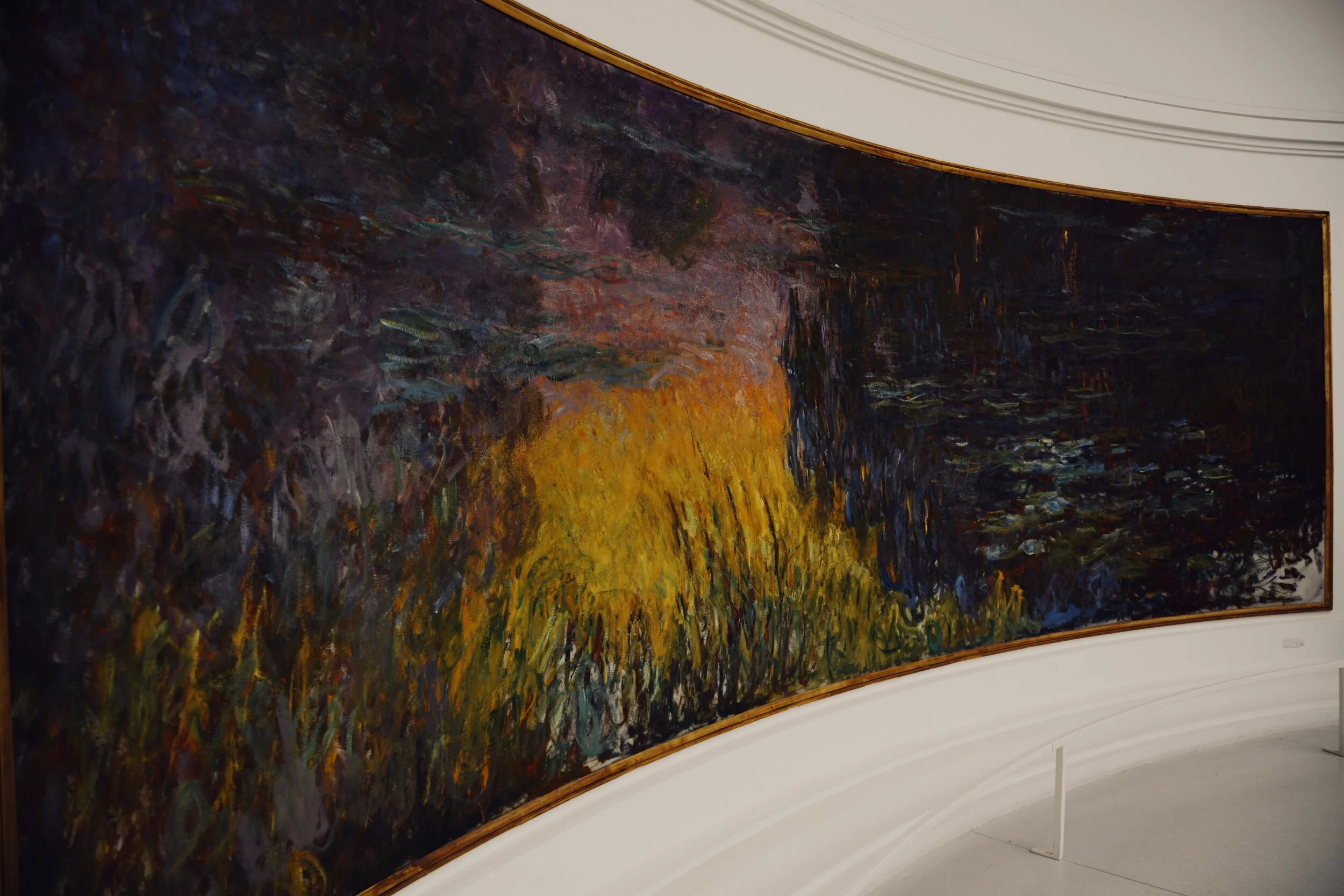
To step into a Monet painting, visit the Orangerie, where eight magnificent large scale oil-on-canvas panels wrap organically around two rooms, leaving the viewer entranced. A further touch of magic is introduced by the fact that Monet himself was involved in the design and installation of his artworks in this grand space.
Jardin Tuileries, 75001 Paris

A wall in Bourdelle’s studio

A spirit of timelessness pervades at Musée Bourdelle




gardens
Jardin du Luxembourg
For an infusion of sunshine and greenery in the heart of the Left Bank, the grounds of Jardin du Luxembourg, in Paris’s 6th arrondissement, provide a calm respite from a buzzing city. The Medici Fountain is especially lovely.
75006 Paris
Parc des Buttes Chaumont
The Parc des Buttes Chaumont, located on the outskirts of Paris in the 19th arrondissement, is a land of unexpected wonders. Both a part of and distinct from the city, the park offers surreal delights wherever the eye looks from bridges and grottos, to waterfalls and willows. If you are feeling adventurous, travel by bike from the center of Paris.
1 Rue Botzaris, 75019 Paris

The statue of Vertumne, God of the Seasons, by Francois Barois in the Jardin des Tuileries
Jardin des Tuilieries
Although quite on the well-trodden path, the Jardin des Tuileries is enchanting, with wild flowers and fountains, statues and scenery. A place to flâneur, take a slow stroll on a sunny day from the Louvre to the Place de la Concorde through the beautiful gardens. With the Louvre behind you, the Eiffel Tower to your left, you can’t help but feel like you are connected to the beating heart of Paris with each step.
Place de la Concorde, 75001 Paris, France

The Eiffel Tower from the Tuileries Gardens

Diana the Huntress by Louis Auguste Leveque at the Jardin des Tuileries

Jardin des Tuileries in the warm glow of the sun
coffee & pastry
Sébastien Gaudard
With two shops in Paris, Sébastien Gaudard is making the old-world pâtisserie modern. From the traditional pastry offering to the the decor and the ambiance, a visit to Sébastien Gaudard feels timeless. Cap a walk at the Jardin des Tuileries with an almond croissant and a café au lait at the Rue des Pyramides shop. The tart au citron is also notable.
1 Rue des Pyramides, 75001 Paris
Fragments
In a city known for its pastries, coffee can occupy a less central place. Not at Fragments, an espresso bar tucked down a quiet side street in Le Marais, which serves great coffee. Some say it’s the best cappuccino in Paris. Combine the coffee with the vibe—modern meets rustic meets warm—and all of the ingredients are there for a cozy spot to enjoy a coffee in this chic Parisian neighborhood.
6 Rue des Tournelles, 75003 Paris
Du Pain et des Idées
One of Paris’s most beloved bakeries, Du Pain et des Idées is a traditional Parisian boulangerie in every sense—the food is displayed artfully, the facade is beautiful, the line is long, and the pastries are excellent. The pistachio and chocolate escargot is a speciality.
34 Rue Yves Toudic, 75010 Paris

Du Pain et des Idées
dining
La Fontaine de Mars
This old-world Parisian bistro is as classic and timeless and warm as the food it serves. With its checkered tablecloths and tiled floors, La Fontaine de Mars has that quintessential bistro chic, elegant and informal at once. For dessert, the floating island is memorable.
129 Rue Saint-Dominique, 75007 Paris
Clown Bar
For a snapshot of Paris today, and for a view into the food of Paris tomorrow, consider Clown Bar, an eclectic, unexpected culinary experience featuring creative small plates and a large selection of natural wines. The clown-inspired decor pays homage to the spot’s history as a hangout for the Cirque d’Hiver, Paris’s winter circus, just a few doors down.
114 Rue Amelot, 75011 Paris
Joséphine chez Dumonet
And back again to the past, Joséphine chez Dumonet is another old world bistro with classic Parisian food done well. The beef Bourgignon and Grand Marnier soufflé, which should be ordered at the start of your meal, are both exceptional.
117 Rue du Cherche-Midi, 75006 Paris

La Fontaine de Mars, image via Google Maps
music & cocktails
Cravan
Far from the crowds in the 16th arrondissement, this cozy cocktail bar is part of the new wave of restaurants in Paris creatively expanding upon the city’s rich culinary tradition with new ideas. The cocktails are modern, the decor is beautiful, the fare is traditional, and the pieces come together to form something memorable.
17 Rue Jean de la Fontaine, 75016 Paris
Caveau de la Huchette
For jazz, consider Caveau de la Huchette, a decades-old underground jazz cave. When you’re not busy dancing, imagine Count Basie and Sidney Bechet playing right before your eyes.
5 Rue de la Huchette, 75005 Paris
Le Très Particulier
Climb to the top of Montmartre and open the gate to turn into a beautiful, tree-lined property. Take the path to the bar—Le Très Particulier at the Hôtel Particulier Montmartre, which will delight you in every sense. Enjoy your cocktail in the beautiful setting—plush velvet chairs and black and white tiles set amidst plants and garden-inspired wallpaper.
Hôtel Particulier Montmartre, 23 Avenue Junot, 75018 Paris

image via Cravan
and more
old-world shopping in search of enchanted objects at Galerie Vivienne 5 Rue de la Banque, 75002 Paris
chocolate pralines at Debauve & Gallais 30 Rue des Saints-Pères, 75007 Paris
escargot at Aux Crus de Bourgogne 3 Rue Bachaumont, 75002 Paris
spices at Épices Roellinger 51 bis Rue Sainte-Anne, 75002 Paris
warm chocolate chip cookies at Mamiche 45 Rue Condorcet, 75009 Paris
perfume & toiletries at L'Officine Universelle Buly 6 Rue Bonaparte, 75006 Paris
books and magic at Shakespeare & Company 37 Rue de la Bûcherie, 75005 Paris


What are your favorite places in Paris? What magical spots have you discovered? Where do you dream to go? What do you dream to experience in this incredible city? We’re so excited to hear from you. And if you have travel pictures, we’d love to see them! Share on instagram with #elephantineontour.